-
Shop
- Adidas
- Advanced Technologies
- Apple Accessories
- Armani Fashion
- Arts, Crafts & Hobbies
- Beauty & Skincare
- Best-Sellers
- Calvin Klein Fashion
- Car Accessories
- Dating & Social Skills
- Drones
- Education & Learning
- Electronics
- Emotional Intelligence
- Family & Parenting
- Fashion
- Alexander McQueen Fashion
- Bags
- Bags & Wallets
- Balenciaga Fashion
- Belts
- Blazers
- Blouses & Shirts
- Bottega Veneta Fashion
- Bottoms
- Brunello Cucinelli Fashion
- Burberry Fashion
- Chanel Fashion
- Chloé Fashion
- Dior Fashion
- Dolce & Gabbana Fashion
- Dresses
- Etro Fashion
- Fendi Fashion
- Gucci Fashion
- Hats & Hair Accessories
- Hoodies & Sweatshirts
- Jacquemus Fashion
- Jewelry
- Jil Sander Fashion
- Jimmy Choo Fashion
- Kiton Fashion
- Luggage
- Luggage Bags
- Men's Fashion
- Miu Miu Fashion
- Off-White Fashion
- Outerwear
- Prada Fashion
- Rick Owens Fashion
- Saint Laurent Fashion
- Scarves
- Shoes
- Skirts
- Socks & Tights
- Sunglasses
- Sweaters & Cardigans
- The Row Fashion
- Tom Ford Fashion
- Tops & Shirts
- Trousers
- Valentino fashion
- Valentino Garavani Fashion
- Versace Fashion
- Vivienne Westwood fashion
- Watches
- Fashion Accessories
- Finance & Career
- Fitness & Movement
- Gadgets
- Gift Ideas
- Gifts
- Guess Fashion
- Health & Beauty
- Health & Wellness
- Home & Garden
- Home & Lifestyle
- Home Supplies
- Hormone & Women’s Health
- Kids & Babies
- Massagers
- Mindset
- Mindset & Personal Growth
- Nike Fashion
- Nutrition & Healthy Eating
- Patio, Lawn & Garden
- Personal Growth
- Pet Care
- Pet Supplies
- Pets
- Productivity
- Relationships & Social Confidence
- Samsung Accessories
- Self-Care & Mental Well-Being
- Sleep & Rest
- Sport
- Sport & Outdoors
- Style & Fashion
- Summer 2025 Fashion Collection
- Super Deals
- Tesla Accessories
- Tommy Hilfiger Fashion
- Travel
- Travel & Outdoors
- Video Games
- Wealth
66W Wireless Car Charger Guide: Fit, Speed, Mounting
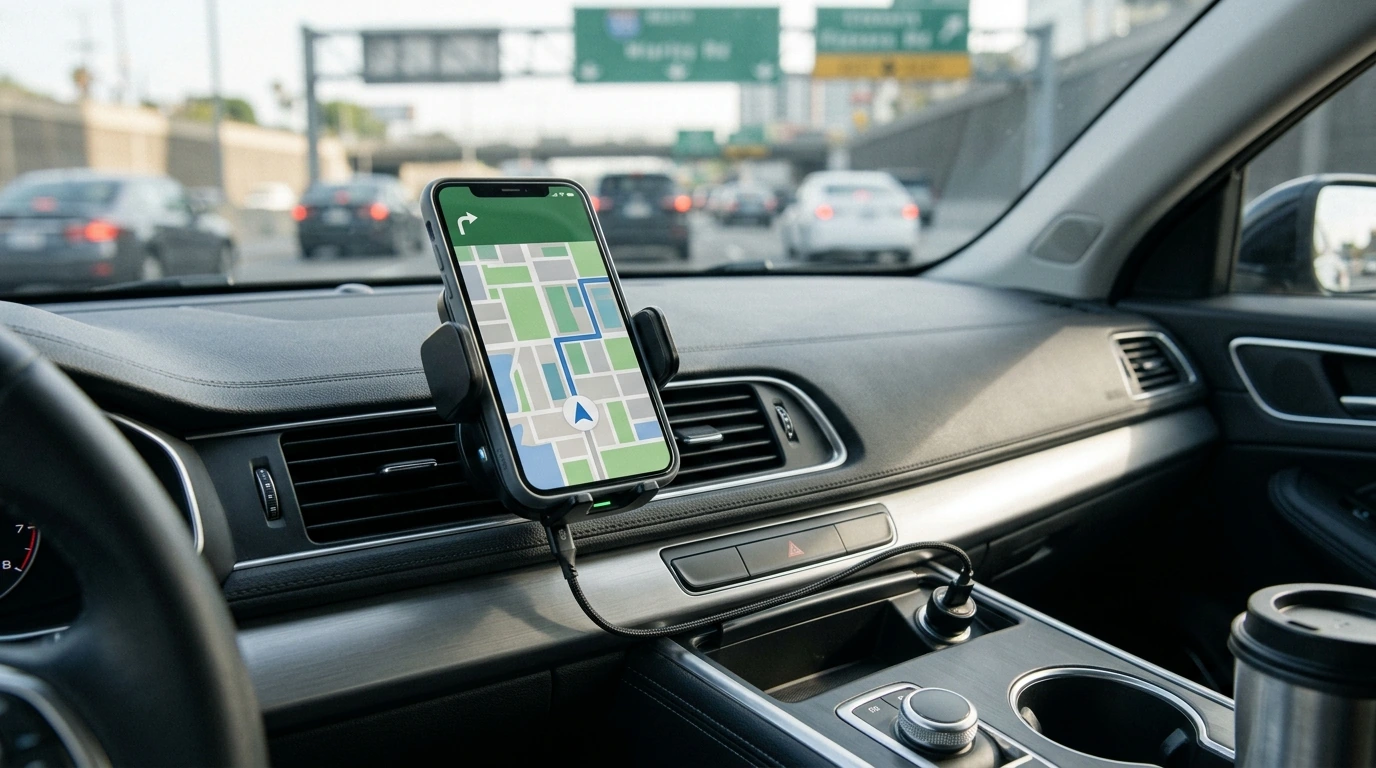
66W Wireless Car Charger: Fast Power and a Secure Mount for Everyday Drives
A wireless car charger can simplify commutes by keeping your phone visible for navigation while topping up the battery without cable clutter. A “66W” wireless car charger is built for drivers who want a sturdy mount plus higher-output power delivery (when paired with the right car adapter and a compatible phone). Below is a practical guide to what to expect, how to set it up for consistent charging, and what details matter most across different vehicles and devices. For more guidance, see LISEN for Qi2.2 25W MagSafe Car Mount Charger ….
What a 66W wireless car charger is designed to do
A 66W wireless car charger combines two everyday essentials: a phone mount that holds your device at eye level and a wireless charging pad that reduces the need to plug and unplug a cable each trip. For frequent driving, that can mean less wear on the phone’s charging port and fewer moments fumbling with cords while parked. For further reading, see MagSafe wireless charging car mount.
These chargers shine during navigation-heavy drives where your screen stays on, GPS is active, and the phone is drawing more power than usual. The goal isn’t only to charge quickly from low to full—it’s also to keep the battery from draining while maps, music, and calls run in the background.
To unlock higher charging performance, the charger typically needs two things: (1) a phone that supports fast wireless charging and (2) a capable car power adapter (often USB-C Power Delivery or Quick Charge) that can feed the charger enough input power.
Quick compatibility checklist before buying
Before choosing a wireless car charger, confirm basic compatibility: your phone must support Qi wireless charging (or use a compatible receiver), the mount must fit your vehicle’s preferred location, and the power adapter must be up to the task. Qi is the widely adopted wireless charging standard; the official spec and certification details are maintained by the Wireless Power Consortium.
| What to check | Why it matters | Quick tip |
|---|---|---|
| Qi wireless charging support | Determines whether the phone can charge wirelessly at all | Look for “Qi” in phone specs; many recent iPhones and Android flagships support it |
| Case thickness/material | Thick cases can reduce charging speed or cause disconnects | If charging is inconsistent, test without the case or switch to a thinner case |
| Power adapter standard (PD/QC) | Fast wireless charging often depends on high-output car power | Use a PD/QC-rated adapter with the correct cable type (often USB-C) |
| Mount location and vibration | Bumps can shift coil alignment and interrupt charging | Choose the most stable spot; tighten mount joints and avoid loose vents |
If you use an iPhone, it’s also worth checking Apple’s guidance on Qi-certified chargers for general compatibility expectations (see Apple Support). Android devices may manage charging speed based on temperature and system load, which can affect results during long drives (see Google Support).
Getting stable, reliable charging on the road
Wireless charging is sensitive to alignment. Even a small height change can determine whether your phone charges steadily or cycles on and off. After mounting the charger, do a quick test while parked: place the phone in the cradle, wait for charging to start, then gently adjust the phone’s position up or down to find the “sweet spot.”
Stability matters just as much as alignment. If the mount flexes on rough roads, the coils can drift apart and interrupt charging. Choose a location with minimal vibration and keep the phone centered. If your vehicle’s air vents are loose or angled, a dashboard placement can often feel more planted.
Input power is another common culprit behind “slow wireless charging.” Even an excellent wireless pad can only output what it’s being fed. Pair your charger with a quality cable and a high-output car adapter that matches the charger’s requirements. If charging seems inconsistent, try swapping the cable first—worn or low-spec cables can bottleneck power.
Finally, manage heat. If your phone warms up (especially in direct sun), reduce screen brightness, close heavy apps, and move the mount away from sun exposure. Heat can trigger automatic slowdowns to protect the battery.
Understanding charging speed claims and real-world results
Mounting options: comfort, safety, and visibility
Air vent mounts
Dashboard mounts
Windshield mounts
Product spotlight: 66W Wireless Car Charger
The 66W Wireless Car Charger is a combined wireless charger and car mount built to keep your phone powered and accessible while driving. It’s a strong fit for frequent navigation, rideshare driving, and anyone who prefers a cleaner cabin without extra cables draped across the console.
| Item | Details |
|---|---|
| Product | 66W Wireless Car Charger |
| Price | 42.49 USD |
| Availability | In stock |
| Product page | https://ritatrend.shop/66w-wireless-car-charger/ |
More in-stock picks (for life on the go)
- Vans Women’s Pink Hooded Jacket – a practical layer for early mornings and chilly errands.
- Women’s Beige Faux Fur Jacket – cozy warmth for cold-weather commutes.
- Levi’s Women’s Blue Plain Jeans – a simple, versatile staple for daily wear.
Care, maintenance, and common troubleshooting
FAQ
Will a wireless car charger work through a phone case?
Often yes with thin cases, but thick cases or metal/magnetic accessories can reduce charging speed or cause disconnects. If performance is inconsistent, test charging without the case to confirm alignment and reception.
Why does wireless charging slow down during navigation?
Navigation keeps the screen on and increases processing load, which raises heat and power draw. Many phones automatically reduce charging speed when warm to protect battery health.
Do fast wireless car chargers need a special car adapter?
Usually yes. Higher wireless output typically requires a high-output car adapter (commonly USB-C PD or Quick Charge) and a quality cable to supply sufficient input power.
Recommended for you

Was this article helpful?
Yes
No









Leave a comment