-
Shop
- Adidas
- Advanced Technologies
- Apple Accessories
- Armani Fashion
- Arts, Crafts & Hobbies
- Beauty & Skincare
- Best-Sellers
- Calvin Klein Fashion
- Car Accessories
- Dating & Social Skills
- Drones
- Education & Learning
- Electronics
- Emotional Intelligence
- Family & Parenting
- Fashion
- Alexander McQueen Fashion
- Bags
- Bags & Wallets
- Balenciaga Fashion
- Belts
- Blazers
- Blouses & Shirts
- Bottega Veneta Fashion
- Bottoms
- Brunello Cucinelli Fashion
- Burberry Fashion
- Chanel Fashion
- Chloé Fashion
- Dior Fashion
- Dolce & Gabbana Fashion
- Dresses
- Etro Fashion
- Fendi Fashion
- Gucci Fashion
- Hats & Hair Accessories
- Hoodies & Sweatshirts
- Jacquemus Fashion
- Jewelry
- Jil Sander Fashion
- Jimmy Choo Fashion
- Kiton Fashion
- Luggage
- Luggage Bags
- Men's Fashion
- Miu Miu Fashion
- Off-White Fashion
- Outerwear
- Prada Fashion
- Rick Owens Fashion
- Saint Laurent Fashion
- Scarves
- Shoes
- Skirts
- Socks & Tights
- Sunglasses
- Sweaters & Cardigans
- The Row Fashion
- Tom Ford Fashion
- Tops & Shirts
- Trousers
- Valentino fashion
- Valentino Garavani Fashion
- Versace Fashion
- Vivienne Westwood fashion
- Watches
- Fashion Accessories
- Finance & Career
- Fitness & Movement
- Gadgets
- Gift Ideas
- Gifts
- Guess Fashion
- Health & Beauty
- Health & Wellness
- Home & Garden
- Home & Lifestyle
- Home Supplies
- Hormone & Women’s Health
- Kids & Babies
- Massagers
- Mindset
- Mindset & Personal Growth
- Nike Fashion
- Nutrition & Healthy Eating
- Patio, Lawn & Garden
- Personal Growth
- Pet Care
- Pet Supplies
- Pets
- Productivity
- Relationships & Social Confidence
- Samsung Accessories
- Self-Care & Mental Well-Being
- Sleep & Rest
- Sport
- Sport & Outdoors
- Style & Fashion
- Summer 2025 Fashion Collection
- Super Deals
- Tesla Accessories
- Tommy Hilfiger Fashion
- Travel
- Travel & Outdoors
- Video Games
- Wealth
Self-Cleaning Grooming Brush for Cats & Dogs: Less Shed
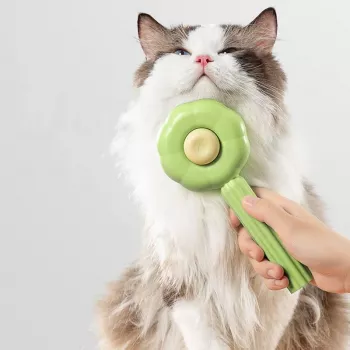
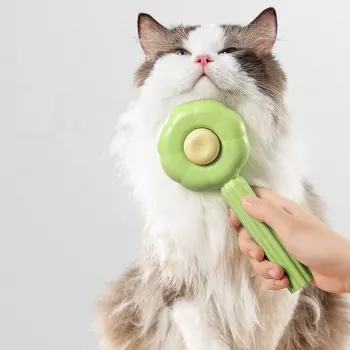
Self-Cleaning Cat and Dog Grooming Brush: Easier Deshedding, Less Mess
Regular brushing helps reduce loose hair, tangles, and dander while supporting healthy skin and coat. A self-cleaning grooming brush streamlines the routine by collecting shed hair and releasing it with a quick button press, making cleanup faster and keeping sessions calmer for cats and dogs. When used consistently (instead of waiting until shedding gets out of control), it can noticeably cut down on “fur tumbleweeds” around the house and make grooming feel more like gentle bonding than a chore.
What a Self-Cleaning Grooming Brush Does
A self-cleaning grooming brush is designed to grab loose hair as you brush, then release the collected fur with a built-in mechanism. That small design change can make a big difference in how smoothly a grooming session goes.
- Captures loose undercoat and surface hair before it spreads to furniture and clothing.
- Helps prevent mats by separating strands and removing shed hair that tangles.
- Supports skin health by distributing natural oils through the coat.
- Self-cleaning mechanism pushes collected hair off the bristles for quick disposal.
- Works best as part of a consistent routine rather than occasional heavy brushing.
For general grooming guidance and coat-care basics, see the American Kennel Club’s overview of dog grooming basics and the ASPCA’s cat grooming tips.
Who Benefits Most
Nearly any pet can benefit from routine brushing, but a self-cleaning brush is especially helpful when shedding and cleanup are the biggest pain points.
- Heavy shedders during seasonal coat changes.
- Pets with medium to long coats that tangle easily.
- Indoor pets where loose fur and dander accumulate quickly.
- Multi-pet homes that need faster cleanup between sessions.
- Sensitive pets that do better with shorter, more frequent grooming.
If your pet is prone to anxiety around grooming, the faster you can keep the brush gliding (and the less you stop to pull hair out by hand), the easier it is to maintain a calm rhythm.
How to Use It for a Comfortable Grooming Session
Comfort matters more than speed. Light pressure, short sessions, and frequent hair releases usually lead to better cooperation than trying to “finish it all” at once.
- Start with 2–5 minutes for nervous pets; increase gradually as comfort improves.
- Brush in the direction of hair growth using light pressure; avoid scraping the skin.
- Focus on high-shed zones (back, sides, chest); use extra care on belly and armpits.
- Pause often to release collected hair with the self-cleaning button and keep the brush gliding smoothly.
- Reward calm behavior and stop if the pet shows stress signals (tail swishing, pinned ears, growling, hiding).
Quick routine by coat type
| Coat type | How often | Session length | Notes |
|---|---|---|---|
| Short coat | 1–2x per week | 3–8 minutes | Use gentle strokes; watch for skin sensitivity. |
| Medium coat | 2–4x per week | 5–10 minutes | Pay attention behind ears and around collar areas. |
| Long coat | 3–5x per week | 8–15 minutes | Work in sections; stop early if tangles need detangling tools. |
| Double coat | 2–5x per week (more during shedding) | 8–15 minutes | Use light pressure; frequent hair release improves comfort. |
Key Features to Look For
Not all brushes feel the same in your hand or on your pet’s coat. A few practical details can make grooming easier and gentler.
- Comfortable handle with secure grip for controlled, gentle strokes.
- Bristle tips designed to be skin-friendly and reduce scratching.
- Reliable push-button release that clears hair cleanly in one motion.
- Size appropriate to the pet (smaller heads for cats/small dogs; wider heads for larger dogs).
- Easy-to-rinse design for occasional cleaning and hygiene.
When brushing, aim for “lift and release” rather than “dig and drag.” If you hear the bristles scraping or your pet flinches, lighten up and reduce the number of passes over the same spot.
Care, Cleaning, and Hygiene
A self-cleaning mechanism helps with day-to-day mess, but the brush still needs basic upkeep to stay smooth and hygienic.
- Remove hair after each session to prevent buildup and keep the brush effective.
- Wipe or rinse the head as needed; allow to dry fully to avoid odor or residue.
- Check bristles regularly for bending or debris that can tug hair.
- Avoid sharing tools between pets with suspected skin issues unless disinfected.
- Store in a dry place to extend lifespan of moving parts.
If you’re dealing with dandruff, irritated skin, or unusually heavy shedding, grooming is helpful—but persistent skin changes should be discussed with a veterinarian to rule out allergies, parasites, or other causes.
Common Mistakes That Cause Tugging or Fussiness
Many pets “hate brushing” because something about the process feels uncomfortable. Small technique changes often fix it quickly.
A Simple Option for Everyday Grooming
Featured In-Stock Finds
For day-to-day deshedding, the Self-Cleaning Cat and Dog Grooming Brush is a practical, quick-clean option for routine coat maintenance.
If grooming happens during chilly mornings or drafty rooms, a comfortable layer can make longer sessions easier on you, too—consider the Vans Women’s Pink Hooded Jacket for casual warmth while you brush and tidy up.
FAQ
Can a self-cleaning grooming brush be used on both cats and dogs?
Yes. Choose a brush head size and bristle style that matches your pet’s coat and sensitivity, then start with gentle strokes and short sessions to build comfort.
How often should a cat or dog be brushed to reduce shedding?
Most short-coated pets do well with 1–2 sessions per week, while medium, long, and double coats often need 2–5 sessions weekly, especially during seasonal shedding.
Why does my pet dislike brushing even with a gentle brush?
Common reasons include too much pressure, brushing over tangles or mats, focusing on sensitive areas, or sessions that go on too long. Try shorter sessions, reward calm behavior, and address mats with detangling tools instead of pulling through them.
Recommended for you

Was this article helpful?
Yes
No







Leave a comment