-
Shop
- Adidas
- Advanced Technologies
- Apple Accessories
- Armani Fashion
- Arts, Crafts & Hobbies
- Beauty & Skincare
- Best-Sellers
- Calvin Klein Fashion
- Car Accessories
- Dating & Social Skills
- Drones
- Education & Learning
- Electronics
- Emotional Intelligence
- Family & Parenting
- Fashion
- Alexander McQueen Fashion
- Bags
- Bags & Wallets
- Balenciaga Fashion
- Belts
- Blazers
- Blouses & Shirts
- Bottega Veneta Fashion
- Bottoms
- Brunello Cucinelli Fashion
- Burberry Fashion
- Chanel Fashion
- Chloé Fashion
- Dior Fashion
- Dolce & Gabbana Fashion
- Dresses
- Etro Fashion
- Fendi Fashion
- Gucci Fashion
- Hats & Hair Accessories
- Hoodies & Sweatshirts
- Jacquemus Fashion
- Jewelry
- Jil Sander Fashion
- Jimmy Choo Fashion
- Kiton Fashion
- Luggage
- Luggage Bags
- Men's Fashion
- Miu Miu Fashion
- Off-White Fashion
- Outerwear
- Prada Fashion
- Rick Owens Fashion
- Saint Laurent Fashion
- Scarves
- Shoes
- Skirts
- Socks & Tights
- Sunglasses
- Sweaters & Cardigans
- The Row Fashion
- Tom Ford Fashion
- Tops & Shirts
- Trousers
- Valentino fashion
- Valentino Garavani Fashion
- Versace Fashion
- Vivienne Westwood fashion
- Watches
- Fashion Accessories
- Finance & Career
- Fitness & Movement
- Gadgets
- Gift Ideas
- Gifts
- Guess Fashion
- Health & Beauty
- Health & Wellness
- Home & Garden
- Home & Lifestyle
- Home Supplies
- Hormone & Women’s Health
- Kids & Babies
- Massagers
- Mindset
- Mindset & Personal Growth
- Nike Fashion
- Nutrition & Healthy Eating
- Patio, Lawn & Garden
- Personal Growth
- Pet Care
- Pet Supplies
- Pets
- Productivity
- Relationships & Social Confidence
- Samsung Accessories
- Self-Care & Mental Well-Being
- Sleep & Rest
- Sport
- Sport & Outdoors
- Style & Fashion
- Summer 2025 Fashion Collection
- Super Deals
- Tesla Accessories
- Tommy Hilfiger Fashion
- Travel
- Travel & Outdoors
- Video Games
- Wealth
Elevated Ceramic Bowl Set for Cats & Small Dogs: Tips
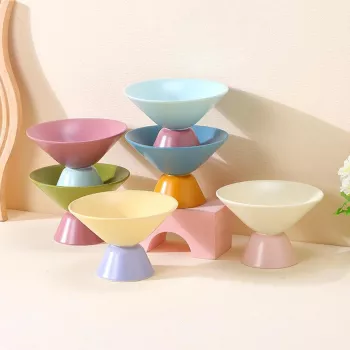
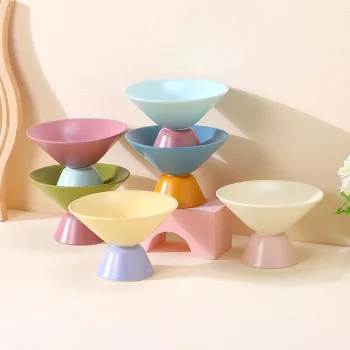
An elevated, ceramic bowl set can make everyday feeding cleaner and more comfortable—especially for cats and smaller dogs that prefer a steadier stance and a dish that stays put. A slightly raised station helps many pets eat with less hunching, while a smooth ceramic surface supports fresher-tasting food and water between washes. Below are practical tips on comfort and posture, hygiene and durability, sizing and placement, and simple habits that keep bowls inviting day after day. For more guidance, see Survey evaluation of dog owners’ feeding practices and … – PMC.
What an elevated ceramic bowl set changes at mealtime
Switching from a basic floor bowl to an elevated ceramic set is a small change that can noticeably improve the daily routine. The surface sits higher, so many pets don’t need to crouch as deeply during longer meals or leisurely sips. That can feel more natural, especially for cats that pause and return to their food throughout the day. For further reading, see Plastic, Stainless Steel, Stoneware, Silicone or Ceramic ….
Elevation also tends to make the entire station feel more “anchored.” Ceramic bowls are usually heavier than thin plastic options, and a structured base helps keep kibble scatter and water splashes more contained. Many households also like the built-in routine of a paired setup: one bowl for meals, the other for hydration, in one consistent location.
Comfort and posture: who tends to benefit most
Not every pet needs a raised feeder, but certain habits and body types often pair well with a modest lift. Cats that eat slowly or take frequent breaks may prefer a higher dish because it can feel less cramped at the shoulders and neck. Small dogs with shorter legs often do best with a gentle elevation—enough to reduce deep bending without creating an awkward reach.
Older pets or pets with mild stiffness can also appreciate a station that encourages a more neutral head-and-neck position. The goal is comfort, not forcing a dramatic posture change. If a pet seems unsure at first, start by placing the elevated set next to the old bowls for a day or two, then transition gradually.
| Pet type | What to look for | Placement tip |
|---|---|---|
| Cats | A height that keeps the chest open and the head only slightly lowered | Place away from litter boxes and loud appliances |
| Small dogs | A stable stand and bowl size that fits the muzzle without crowding | Use a non-slip mat if the floor is slick |
| Multi-pet homes | Easy-to-clean materials and a footprint that separates bowls cleanly | Create a feeding station per pet when possible |
Why ceramic is a strong everyday choice
Ceramic is a favorite for daily feeding because it’s typically smooth, glazed, and less likely to hold onto odors compared with some plastics. That taste-and-odor neutrality can matter for picky eaters and finicky drinkers—fresh water is more appealing when the bowl itself doesn’t carry yesterday’s smell.
Hygiene is another advantage. A glazed ceramic surface is usually easier to wash thoroughly, which helps reduce residue buildup from wet food, oils, and saliva. Many ceramic bowls also have a satisfying weight, so they tend to sit more firmly and discourage sliding or tipping—especially helpful for pets that push bowls around the kitchen.
For general feeding guidance and routines, these resources are helpful: Cornell Feline Health Center — Feeding Your Cat and AKC — How Often Should You Wash Your Dog’s Food Bowl?.
Food and water together: smart station layout
A combined food-and-water set is convenient, but small layout choices can keep the water cleaner and encourage better hydration. If a pet frequently drops kibble into the water, try positioning the bowls so there’s a small gap between them (or orient the station so the water bowl sits slightly farther from the pet’s “messy side”). Even minor separation can reduce food bits and cloudiness.
Cleaning and care that keeps bowls looking new
Common mistakes to avoid
Product spotlight: Elevated Ceramic Food and Water Bowl for Cats and Small Dogs
If a tidy, dedicated station is the goal, the Elevated Ceramic Food and Water Bowl for Cats and Small Dogs combines ceramic bowls with an elevated base for steadier daily feeding. The ceramic helps resist lingering odors and supports easy washing, while the raised height can feel more comfortable for pets that dislike crouching low.
| Detail | Value |
|---|---|
| Product name | Elevated Ceramic Food and Water Bowl for Cats and Small Dogs |
| Price | 41.80 USD |
| Availability | In stock |
| Best for | Cats and small dogs |
More in-stock picks to round out your home setup
FAQ
Is an elevated bowl better for cats and small dogs?
Many cats and small dogs find a slightly raised bowl more comfortable and less messy because it can reduce deep crouching and keep the station steadier. The best choice depends on your pet’s size and eating style, so watch posture and appetite for the first week after switching.
How often should ceramic food and water bowls be washed?
Rinse and refill water bowls daily, and wash them thoroughly every 1–2 days with hot water and dish soap. Food bowls should be washed after meals or at least daily, with extra frequency when serving wet food.
Where should a food-and-water station be placed in the home?
Choose a quiet, low-traffic spot away from litter boxes and add a washable mat to protect floors and simplify cleanup. Keep water easy to access, and for cats that prefer distance from food, consider a second water location elsewhere.
Recommended for you
Was this article helpful?
Yes
No







Leave a comment