-
Shop
- Adidas
- Advanced Technologies
- Apple Accessories
- Armani Fashion
- Arts, Crafts & Hobbies
- Beauty & Skincare
- Best-Sellers
- Calvin Klein Fashion
- Car Accessories
- Dating & Social Skills
- Drones
- Education & Learning
- Electronics
- Emotional Intelligence
- Family & Parenting
- Fashion
- Alexander McQueen Fashion
- Bags
- Bags & Wallets
- Balenciaga Fashion
- Belts
- Blazers
- Blouses & Shirts
- Bottega Veneta Fashion
- Bottoms
- Brunello Cucinelli Fashion
- Burberry Fashion
- Chanel Fashion
- Chloé Fashion
- Dior Fashion
- Dolce & Gabbana Fashion
- Dresses
- Etro Fashion
- Fendi Fashion
- Gucci Fashion
- Hats & Hair Accessories
- Hoodies & Sweatshirts
- Jacquemus Fashion
- Jewelry
- Jil Sander Fashion
- Jimmy Choo Fashion
- Kiton Fashion
- Luggage
- Luggage Bags
- Men's Fashion
- Miu Miu Fashion
- Off-White Fashion
- Outerwear
- Prada Fashion
- Rick Owens Fashion
- Saint Laurent Fashion
- Scarves
- Shoes
- Skirts
- Socks & Tights
- Sunglasses
- Sweaters & Cardigans
- The Row Fashion
- Tom Ford Fashion
- Tops & Shirts
- Trousers
- Valentino fashion
- Valentino Garavani Fashion
- Versace Fashion
- Vivienne Westwood fashion
- Watches
- Fashion Accessories
- Finance & Career
- Fitness & Movement
- Gadgets
- Gift Ideas
- Gifts
- Guess Fashion
- Health & Beauty
- Health & Wellness
- Home & Garden
- Home & Lifestyle
- Home Supplies
- Hormone & Women’s Health
- Kids & Babies
- Massagers
- Mindset
- Mindset & Personal Growth
- Nike Fashion
- Nutrition & Healthy Eating
- Patio, Lawn & Garden
- Personal Growth
- Pet Care
- Pet Supplies
- Pets
- Productivity
- Relationships & Social Confidence
- Samsung Accessories
- Self-Care & Mental Well-Being
- Sleep & Rest
- Sport
- Sport & Outdoors
- Style & Fashion
- Summer 2025 Fashion Collection
- Super Deals
- Tesla Accessories
- Tommy Hilfiger Fashion
- Travel
- Travel & Outdoors
- Video Games
- Wealth
Galaxy Watch Ultra Privacy Glass + Case: Daily Shield
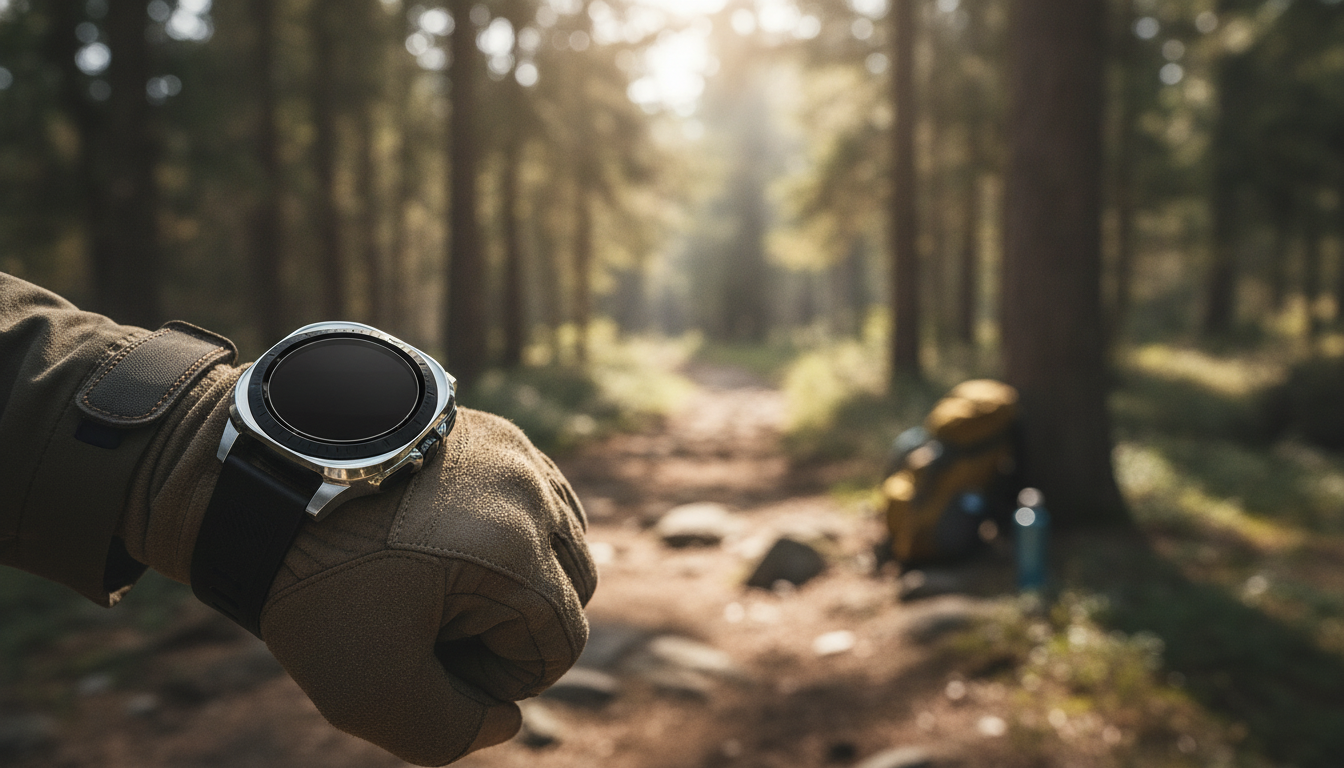
A watch is always on display—during workouts, commutes, meetings, and travel. Adding a privacy glass layer plus a fitted protective case helps keep the screen harder to peek at from the side while reducing the chances of scratches, scuffs, and edge chips from daily bumps. For more guidance, see Privacy Screen Does The Note 20 Ultra Come … – lapedsoc.org.
What This Set Adds to Daily Wear
Samsung Galaxy Watch 7 Ultra (and Ultra variants as listed) is built for daily use, but daily use is exactly where small damage adds up. A privacy glass screen protector paired with a protective case focuses on the two most common issues: side-angle visibility and incidental wear. For further reading, see New Samsung Galaxy S26 Accessories | Cases, Chargers ….
- Privacy viewing: narrows side viewing angles so on-screen content is less readable to people nearby.
- Everyday impact protection: the case frames the watch body to help absorb minor knocks against desks, door frames, and gym equipment.
- Scratch resistance: glass layer helps reduce micro-scratches from sand, dust, and keys.
- Cleaner look: helps reduce visible wear that can build up on a bare screen over time.
- Peace of mind for notifications: keeps quick glances more discreet in crowded spaces.
Even if the watch face itself is durable, tiny abrasions from grit (think beach sand, pocket lint mixed with dust, or gym chalk) are the slow-and-steady culprits. A protector is a practical “sacrificial” layer, while the case helps protect the rim and edges that are more likely to contact hard surfaces.
Privacy Glass vs. Standard Clear Glass
Both privacy and clear protectors aim to reduce scratches, but they feel different in everyday use. Privacy glass is designed for front-facing readability while limiting visibility from the sides, which can be useful when notifications pop up around strangers or coworkers.
- Privacy glass is designed for front-facing readability while limiting visibility from the sides.
- Standard clear glass prioritizes maximum brightness and wide-angle clarity, but offers no anti-peek effect.
- Privacy layers can slightly reduce perceived brightness; increasing watch brightness may help in strong sunlight.
- Touch sensitivity should remain responsive when the protector is aligned and fully adhered.
- If precise color-critical viewing is important, a clear protector may look slightly more vivid than a privacy filter.
Quick Comparison: Privacy Glass and Case Benefits
| Feature | Privacy Glass Screen Protector | Protective Case |
|---|---|---|
| Main purpose | Limits side viewing and helps resist scratches | Adds edge/bump protection around the watch body |
| Best for | Public commutes, offices, travel, discreet notifications | Gyms, outdoor use, daily bumps and drops |
| Trade-offs | May slightly dim screen or narrow viewing angles | Adds a small amount of bulk |
| Common damage it helps prevent | Hairline scratches, scuffs, minor screen abrasions | Edge chips, frame scuffs, corner impacts |
Privacy technology has been used for years across screens and filters; if you’re curious about the general concept, 3M provides a helpful overview of how privacy filters limit off-angle visibility. For device durability background, Corning’s materials (often referenced in screen protection discussions) are also a useful reference point for how glass is engineered to resist damage.
External references:
3M Privacy Filters (privacy technology overview),
Corning Gorilla Glass,
Samsung Support
Fit and Compatibility Checklist
Before installation, take a minute to confirm fit. Watch accessories can look similar across generations, but button placement, sensor windows, and bezel edges can differ.
- Confirm the watch model name matches the product listing and packaging before installing.
- Check that the case does not interfere with rotating parts, buttons, microphones, speakers, or sensors.
- If using a charging dock or stand, ensure the case design still allows secure placement and charging contact alignment.
- If the watch is used for workouts, confirm the case provides secure coverage without trapping sweat against sensitive areas.
A good habit is to test-fit the case first (without the glass) and press the buttons to confirm they click freely. Then install the glass protector, and finally re-seat the case to ensure it isn’t pressing on the protector’s edges.
Installation Tips for a Bubble-Free Finish
Most “bad installs” come down to dust. The smaller the screen, the more noticeable a single speck can be under glass.
- Start with clean hands and a clean surface; dust is the #1 cause of bubbles and raised edges.
- Wipe the screen thoroughly, then use a dust remover or tape to lift fine particles right before placement.
- Align from one edge and lower slowly; avoid sliding the glass once it touches the screen.
- Press from the center outward to push air to the edges; persistent bubbles often indicate trapped dust.
- Let the adhesive set before heavy use; avoid water exposure immediately after installation if possible.
Care, Cleaning, and Long-Term Use
Who This Combination Suits Best
Product Snapshot
Shop In-Stock Picks
- Privacy Glass Screen Protector & Protective Case for Samsung Galaxy Watch 7 Ultra ($10.95)
- Vans Women’s Pink Hooded Jacket ($172.85)
- Women’s Beige Faux Fur Jacket ($115.49)
FAQ
Does a privacy screen protector make the watch harder to read outdoors?
It can slightly reduce perceived brightness or contrast, especially when viewed off-angle. Front-on clarity remains the priority, and turning up brightness or using adaptive brightness typically helps in strong sunlight.
Will the case and glass affect touch response or sensors?
Touch should feel normal when the protector is properly aligned and fully adhered. Make sure the case cutouts don’t block sensors, microphones, or speakers, and re-seat the case if it presses on the protector’s edges.
How do bubbles happen and how can they be fixed?
Bubbles usually come from dust particles or from placing the glass down misaligned. If possible, carefully lift and remove the trapped dust with tape, then reapply starting from one edge and press from the center outward.
Recommended for you
Was this article helpful?
Yes
No







Leave a comment