-
Shop
- Adidas
- Advanced Technologies
- Apple Accessories
- Armani Fashion
- Arts, Crafts & Hobbies
- Beauty & Skincare
- Best-Sellers
- Calvin Klein Fashion
- Car Accessories
- Dating & Social Skills
- Drones
- Education & Learning
- Electronics
- Emotional Intelligence
- Family & Parenting
- Fashion
- Alexander McQueen Fashion
- Bags
- Bags & Wallets
- Balenciaga Fashion
- Belts
- Blazers
- Blouses & Shirts
- Bottega Veneta Fashion
- Bottoms
- Brunello Cucinelli Fashion
- Burberry Fashion
- Chanel Fashion
- Chloé Fashion
- Dior Fashion
- Dolce & Gabbana Fashion
- Dresses
- Etro Fashion
- Fendi Fashion
- Gucci Fashion
- Hats & Hair Accessories
- Hoodies & Sweatshirts
- Jacquemus Fashion
- Jewelry
- Jil Sander Fashion
- Jimmy Choo Fashion
- Kiton Fashion
- Luggage
- Luggage Bags
- Men's Fashion
- Miu Miu Fashion
- Off-White Fashion
- Outerwear
- Prada Fashion
- Rick Owens Fashion
- Saint Laurent Fashion
- Scarves
- Shoes
- Skirts
- Socks & Tights
- Sunglasses
- Sweaters & Cardigans
- The Row Fashion
- Tom Ford Fashion
- Tops & Shirts
- Trousers
- Valentino fashion
- Valentino Garavani Fashion
- Versace Fashion
- Vivienne Westwood fashion
- Watches
- Fashion Accessories
- Finance & Career
- Fitness & Movement
- Gadgets
- Gift Ideas
- Gifts
- Guess Fashion
- Health & Beauty
- Health & Wellness
- Home & Garden
- Home & Lifestyle
- Home Supplies
- Hormone & Women’s Health
- Kids & Babies
- Massagers
- Mindset
- Mindset & Personal Growth
- Nike Fashion
- Nutrition & Healthy Eating
- Patio, Lawn & Garden
- Personal Growth
- Pet Care
- Pet Supplies
- Pets
- Productivity
- Relationships & Social Confidence
- Samsung Accessories
- Self-Care & Mental Well-Being
- Sleep & Rest
- Sport
- Sport & Outdoors
- Style & Fashion
- Summer 2025 Fashion Collection
- Super Deals
- Tesla Accessories
- Tommy Hilfiger Fashion
- Travel
- Travel & Outdoors
- Video Games
- Wealth
Dual-Ended Stainless Cuticle Pusher: Clean Nail Prep
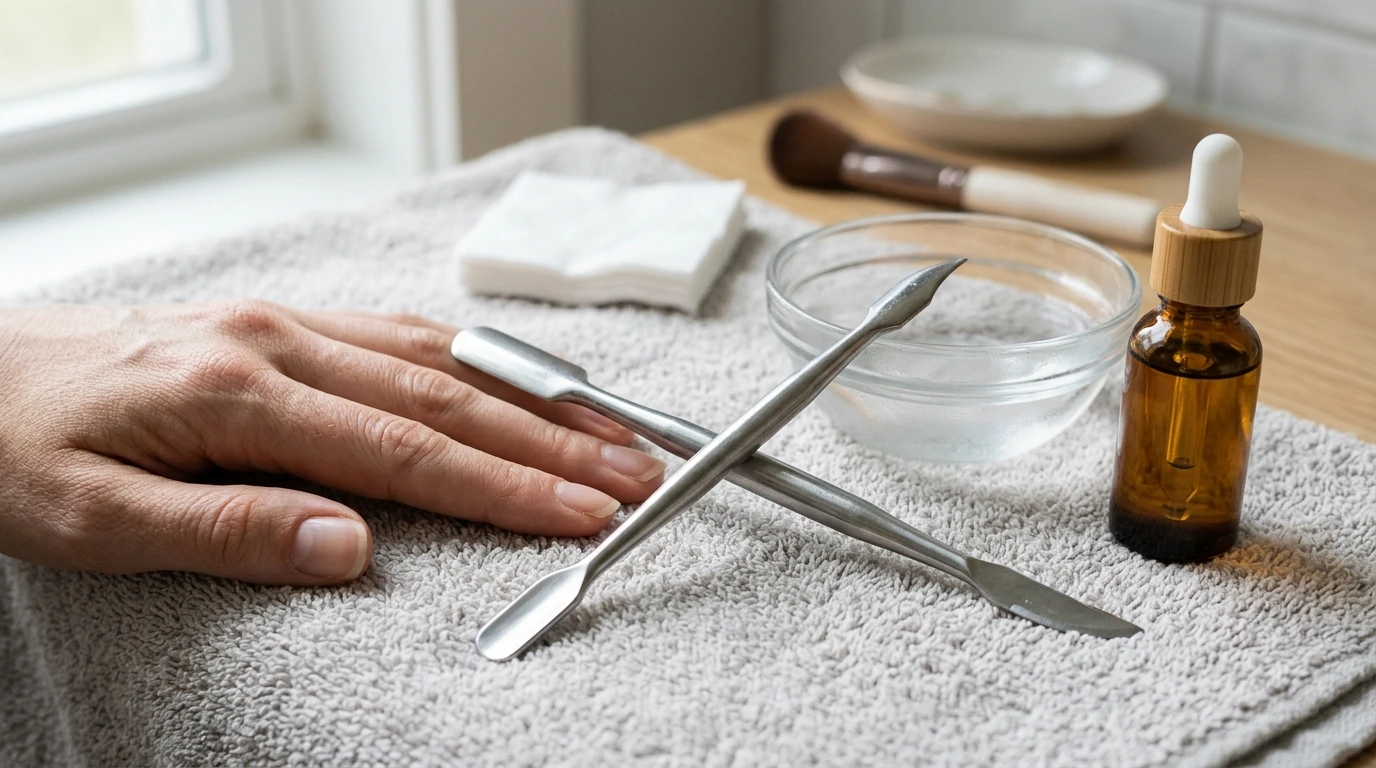
Stainless Steel Dual-ended Cuticle Pusher for Clean, Precise Nail Prep
A dual-ended cuticle pusher is one of those small tools that can make a manicure look noticeably cleaner. By helping you move back softened cuticles and tidy the thin, non-living skin that can cling to the nail plate, it sets up a smoother surface for polish, gel, or simple natural nail grooming. Stainless steel adds a firm, controlled feel, and it can be cleaned thoroughly for repeated use—an advantage for anyone building a consistent at-home routine.
What a Dual-ended Cuticle Pusher Does
Cuticles protect the base of the nail, but during nail prep, excess cuticle tissue and residue on the nail plate can make the nail look uneven and may interfere with how products sit near the cuticle line. A dual-ended cuticle pusher supports a tidy finish by handling two common steps without switching tools mid-manicure.
- Gently pushes back softened cuticles to reveal more of the nail plate for a cleaner look
- Helps lift and guide away non-living tissue from the nail plate during prep
- Supports even product adhesion by reducing leftover skin and debris near the cuticle area
- Dual ends allow different tasks without switching tools mid-manicure
Used with light pressure and a low angle, it can help create that crisp, “fresh manicure” edge around the base of the nail while keeping the work controlled and deliberate.
Why Stainless Steel Matters
Material affects both performance and hygiene. Stainless steel tools are popular for nail care because they hold their shape, feel stable in the hand, and can be washed and disinfected more reliably than porous options.
- Durable and resistant to bending compared with disposable wooden sticks
- Smooth, rigid surface improves control and reduces the chance of slipping
- Can be washed and disinfected more reliably than porous materials
- Suitable for home use and kit building for regular nail care routines
For general nail-health guidance, MedlinePlus shares practical basics on everyday nail care that pair well with gentle grooming habits: https://medlineplus.gov/ency/article/002222.htm.
How to Use It Safely (Step-by-step)
A cuticle pusher should feel like “tidying,” not scraping. If the skin is irritated or the nail fold is tender, it’s better to pause and focus on soothing moisture until things calm down.
- Soften: Wash hands, then soak fingertips in warm water for 3–5 minutes or use cuticle remover as directed.
- Dry and inspect: Pat nails dry; check for hangnails or irritated skin and avoid working over broken areas.
- Push back gently: Hold the tool at a low angle and use light pressure in small strokes from the center outward.
- Clean the nail plate: Use the alternate end to carefully lift residue from the nail plate (avoid digging).
- Finish: Rinse, dry, and apply cuticle oil or moisturizer; proceed with buffing or polish only after skin is calm.
If you notice redness, swelling, throbbing, or warmth around the nail fold, treat it as a warning sign and stop manipulating the area. For an overview of nail infections like paronychia and when to seek care, Cleveland Clinic provides a clear reference: https://my.clevelandclinic.org/health/diseases/15327-paronychia.
Quick Comparison: Dual-ended Steel Tool vs Other Options
Choosing a cuticle tool comes down to how often you do your nails, how sensitive your cuticle area is, and how much precision you want—plus whether you prefer reusable tools you can sanitize.
Cuticle Tool Options at a Glance
| Tool type | Best for | Pros | Trade-offs |
|---|---|---|---|
| Stainless steel dual-ended pusher | Regular nail prep and detailed work | Precise control, reusable, easy to wash/disinfect | Needs careful handling; must be cleaned between uses |
| Wooden/orange stick | Occasional touch-ups, travel | Inexpensive, disposable | Less durable; porous surface limits deep cleaning |
| Rubber/silicone pusher | Very sensitive cuticle areas | Softer contact, gentle feel | Less effective on stubborn residue; may wear out faster |
Cleaning and Care
Cleaning is part of good nail etiquette, even for personal use. Product buildup can cling to edges and reduce the tool’s precision over time, and proper disinfection helps keep your routine more hygienic.
- Wash after each use with warm water and soap; use a soft brush to remove residue from edges
- Disinfect according to the disinfectant label directions; allow full contact time before rinsing/drying if required
- Dry completely before storing to help prevent spotting and keep the tool in good condition
- Store in a clean pouch or closed container to avoid dust and accidental dulling from loose items
Tip: If you do a full manicure session, it’s helpful to clean the tool immediately after use so residue doesn’t harden along the ends.
Who It’s For
Product Details and Where to Get It
If you’re looking for a reusable, precise tool for routine nail prep, the Stainless Steel Dual-ended Cuticle Pusher is in stock and ready to add to a manicure kit.
Shopping for a couple of extras while you refresh your essentials? Two other in-stock picks include the Vans Women’s Pink Hooded Jacket and the Women’s Beige Faux Fur Jacket.
FAQ
Should cuticles be pushed back or cut?
Gently pushing back softened cuticles is a common grooming and nail-prep step. Cutting should be minimal and limited to obvious non-living tissue or hangnails, avoiding live skin; if you see irritation or bleeding, stop and let the area recover.
How often can a cuticle pusher be used?
Many people use a cuticle pusher weekly or every two weeks, depending on nail growth and sensitivity. Use light pressure, don’t overwork the nail fold, and moisturize afterward with cuticle oil or hand cream.
How do you clean and disinfect a stainless steel cuticle pusher at home?
Wash with warm water and soap first, then disinfect using an appropriate solution while following the label’s contact time directions. Dry thoroughly before storing, and avoid sharing tools unless they’re properly disinfected between users.
Recommended for you
Was this article helpful?
Yes
No






Leave a comment