-
Shop
- Adidas
- Advanced Technologies
- Apple Accessories
- Armani Fashion
- Arts, Crafts & Hobbies
- Beauty & Skincare
- Best-Sellers
- Calvin Klein Fashion
- Car Accessories
- Dating & Social Skills
- Drones
- Education & Learning
- Electronics
- Emotional Intelligence
- Family & Parenting
- Fashion
- Alexander McQueen Fashion
- Bags
- Bags & Wallets
- Balenciaga Fashion
- Belts
- Blazers
- Blouses & Shirts
- Bottega Veneta Fashion
- Bottoms
- Brunello Cucinelli Fashion
- Burberry Fashion
- Chanel Fashion
- Chloé Fashion
- Dior Fashion
- Dolce & Gabbana Fashion
- Dresses
- Etro Fashion
- Fendi Fashion
- Gucci Fashion
- Hats & Hair Accessories
- Hoodies & Sweatshirts
- Jacquemus Fashion
- Jewelry
- Jil Sander Fashion
- Jimmy Choo Fashion
- Kiton Fashion
- Luggage
- Luggage Bags
- Men's Fashion
- Miu Miu Fashion
- Off-White Fashion
- Outerwear
- Prada Fashion
- Rick Owens Fashion
- Saint Laurent Fashion
- Scarves
- Shoes
- Skirts
- Socks & Tights
- Sunglasses
- Sweaters & Cardigans
- The Row Fashion
- Tom Ford Fashion
- Tops & Shirts
- Trousers
- Valentino fashion
- Valentino Garavani Fashion
- Versace Fashion
- Vivienne Westwood fashion
- Watches
- Fashion Accessories
- Finance & Career
- Fitness & Movement
- Gadgets
- Gift Ideas
- Gifts
- Guess Fashion
- Health & Beauty
- Health & Wellness
- Home & Garden
- Home & Lifestyle
- Home Supplies
- Hormone & Women’s Health
- Kids & Babies
- Massagers
- Mindset
- Mindset & Personal Growth
- Nike Fashion
- Nutrition & Healthy Eating
- Patio, Lawn & Garden
- Personal Growth
- Pet Care
- Pet Supplies
- Pets
- Productivity
- Relationships & Social Confidence
- Samsung Accessories
- Self-Care & Mental Well-Being
- Sleep & Rest
- Sport
- Sport & Outdoors
- Style & Fashion
- Summer 2025 Fashion Collection
- Super Deals
- Tesla Accessories
- Tommy Hilfiger Fashion
- Travel
- Travel & Outdoors
- Video Games
- Wealth
Minimalist Striped Cotton-Linen Tablecloth for Easy Hosting
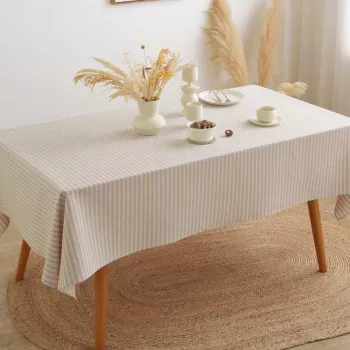
Minimalist Striped Cotton Linen Tablecloth: Calm Texture, Clean Lines, Everyday Ease
A striped cotton-linen tablecloth adds structure without feeling formal—soft texture, breathable comfort, and a simple pattern that suits daily meals and effortless hosting. The blend balances the relaxed drape of linen with the easygoing feel of cotton, making it a practical choice for dining tables, kitchen tables, and layered tabletop styling. For more guidance, see Simple Striped Cotton Skirt Women’s Fairfax Mini Skirt In Striped ….
What Makes a Cotton-Linen Tablecloth Feel Minimalist
Minimalism on the table isn’t about making everything stark; it’s about choosing pieces that feel quiet, useful, and intentional. A cotton-linen tablecloth with subtle stripes does that work almost automatically—giving your table definition while keeping the mood calm. For further reading, see Tablecloth.
- Subtle stripes create rhythm and a clean sense of order while staying neutral enough for most dishware, glassware, and centerpieces.
- Relaxed drape looks purposeful: cotton-linen blends often feel lighter and less stiff than heavier woven cloths, so the table reads “effortless,” not fussy.
- Natural-material friendly: stripes and texture pair especially well with wood tables, stoneware plates, linen napkins, and clear glass.
- Wrinkle camouflage: a stripe pattern can visually “straighten” the setting and make minor ripples less noticeable than on a solid fabric.
Material Benefits: Cotton + Linen in Real Use
The appeal of a cotton-linen blend is how it behaves day to day. It has the breathable, tactile feel that makes a table welcoming—without the plasticky shine some synthetic fabrics can add under overhead lighting.
- Breathable fibers help the cloth feel comfortable and look naturally matte rather than overly slick.
- Cotton adds softness and typically makes everyday laundering more approachable; linen adds texture and an airy, elevated finish.
- Seasonless styling: it feels fresh in warm months and looks cozy when layered with runners, placemats, or candles in cooler seasons.
- Practical weave: a lightly textured surface can help small crumbs brush away more easily than very smooth, tightly finished fabrics.
For a deeper dive into how these fibers behave, see the general overviews from Utah State University Extension on cotton care and Britannica’s linen (flax) overview.
Sizing and Drop: Getting the Proportions Right
The biggest difference between a tablecloth that looks “thrown on” and one that looks styled is proportion. Start with measurements, then choose a drop that fits how you actually use the table.
- Measure length and width, then add your desired overhang on each side (commonly 8–12 inches for everyday use; 12–15 inches for a more dressed-up look).
- Think about chair clearance on rectangular tables so guests don’t sit on the cloth edges.
- Round tables need even drape: aim for consistent overhang around the perimeter; consider whether you want stripes aligned in a specific direction based on how the cloth is cut.
- If you’re between sizes, a slightly longer drop often reads more intentional than one that stops short.
Quick Guide to Tablecloth Drop
| Use case | Recommended drop (each side) | Notes |
|---|---|---|
| Everyday meals | 8–12 in (20–30 cm) | Comfortable for chairs; easy to manage |
| Casual hosting | 10–14 in (25–35 cm) | Adds softness and a finished look |
| More formal setting | 12–15 in (30–38 cm) | Works best when guests won’t need frequent movement |
Styling Ideas for a Striped Tablecloth
Stripes can be the “design” so the rest of the table can relax. When the base layer has calm lines, small choices—flatware finish, napkin texture, centerpiece height—stand out in a clean way.
- Monochrome place settings (white, cream, black, or stone) let the stripe read as a crisp element rather than visual noise.
- Add contrast thoughtfully with matte black flatware or warm wood utensils to echo the natural fiber texture.
- Keep the centerpiece simple: one ceramic vase, a low fruit bowl, or a short cluster of candles keeps the table uncluttered.
- Layer for depth: place a solid runner over stripes (ideally cotton/linen) to add dimension while staying cohesive.
Care and Longevity: Washing, Drying, and Wrinkles
Natural fibers reward gentle routines. The goal is to keep the hand feel soft and the stripes looking clear, without turning laundry day into a project.
When a Striped Tablecloth Works Best (and When to Consider Alternatives)
Product Snapshot: Minimalist Striped Cotton Linen Tablecloth
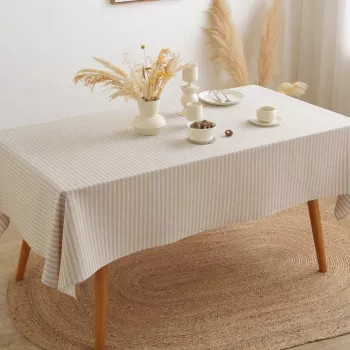
If you’re looking for a daily-use cloth that still feels designed, the Minimalist Striped Cotton Linen Tablecloth is made to deliver clean lines with a natural-fiber feel for weekday meals and relaxed gatherings.
More In-Stock Finds
FAQ
How do cotton-linen tablecloths compare to pure linen?
Cotton-linen blends balance comfort and texture: cotton tends to add softness and easier everyday laundering, while linen contributes a more airy drape and visible natural character. Pure linen is often more textured and can wrinkle more noticeably, while blends are usually a bit more forgiving.
What tablecloth drop looks best for everyday use?
An 8–12 inch drop on each side is a practical everyday standard because it looks finished without getting in the way of chairs. If you’re between sizes, a slightly longer drop usually looks more intentional than a too-short overhang.
How can wrinkles be minimized without making it look overly formal?
Use air-drying or low heat, then fold promptly to prevent deep creases. A quick steam smooths the surface while keeping a relaxed natural-fiber finish; for sharper edges, iron while the fabric is slightly damp.
Recommended for you
Was this article helpful?
Yes
No







Leave a comment