-
Shop
- Adidas
- Advanced Technologies
- Apple Accessories
- Armani Fashion
- Arts, Crafts & Hobbies
- Beauty & Skincare
- Best-Sellers
- Calvin Klein Fashion
- Car Accessories
- Dating & Social Skills
- Drones
- Education & Learning
- Electronics
- Emotional Intelligence
- Family & Parenting
- Fashion
- Alexander McQueen Fashion
- Bags
- Bags & Wallets
- Balenciaga Fashion
- Belts
- Blazers
- Blouses & Shirts
- Bottega Veneta Fashion
- Bottoms
- Brunello Cucinelli Fashion
- Burberry Fashion
- Chanel Fashion
- Chloé Fashion
- Dior Fashion
- Dolce & Gabbana Fashion
- Dresses
- Etro Fashion
- Fendi Fashion
- Gucci Fashion
- Hats & Hair Accessories
- Hoodies & Sweatshirts
- Jacquemus Fashion
- Jewelry
- Jil Sander Fashion
- Jimmy Choo Fashion
- Kiton Fashion
- Luggage
- Luggage Bags
- Men's Fashion
- Miu Miu Fashion
- Off-White Fashion
- Outerwear
- Prada Fashion
- Rick Owens Fashion
- Saint Laurent Fashion
- Scarves
- Shoes
- Skirts
- Socks & Tights
- Sunglasses
- Sweaters & Cardigans
- The Row Fashion
- Tom Ford Fashion
- Tops & Shirts
- Trousers
- Valentino fashion
- Valentino Garavani Fashion
- Versace Fashion
- Vivienne Westwood fashion
- Watches
- Fashion Accessories
- Finance & Career
- Fitness & Movement
- Gadgets
- Gift Ideas
- Gifts
- Guess Fashion
- Health & Beauty
- Health & Wellness
- Home & Garden
- Home & Lifestyle
- Home Supplies
- Hormone & Women’s Health
- Kids & Babies
- Massagers
- Mindset
- Mindset & Personal Growth
- Nike Fashion
- Nutrition & Healthy Eating
- Patio, Lawn & Garden
- Personal Growth
- Pet Care
- Pet Supplies
- Pets
- Productivity
- Relationships & Social Confidence
- Samsung Accessories
- Self-Care & Mental Well-Being
- Sleep & Rest
- Sport
- Sport & Outdoors
- Style & Fashion
- Summer 2025 Fashion Collection
- Super Deals
- Tesla Accessories
- Tommy Hilfiger Fashion
- Travel
- Travel & Outdoors
- Video Games
- Wealth
Wet or Dry Body Bristle Brush: Smooth Skin, Easy Care

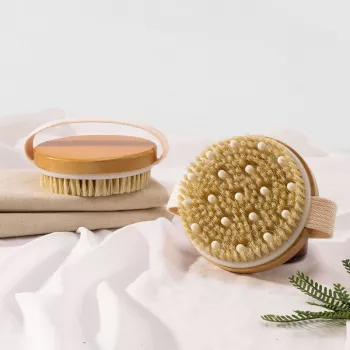
Natural Wooden Wet Dry Skin Body Bristle Brush
A bristle body brush can turn a quick shower or a two-minute pre-shower routine into a simple, repeatable way to smooth the look of rough patches and help lift away surface buildup. This natural wooden brush is designed to work on both wet and dry skin, with firm bristles for body use and a comfortable wooden handle for controlled strokes. Used with the right pressure and a little consistency, it can help skin feel cleaner, softer, and more evenly prepped for lotion or body oil. For more guidance, see Hairbrushes: A Guide for Dermatologists – PMC – NIH.
What This Brush Is Best For
- Dry brushing before bathing to help remove loose, flaky surface skin and leave skin feeling smoother
- Wet use in the shower with body wash to boost lather and cleanse hard-to-reach areas like the back, legs, and arms
- Prepping skin before applying body lotion or body oil so moisturizers spread more evenly
- Targeting common rough zones such as elbows, knees, heels, and the backs of arms (with lighter pressure where skin is thinner)
- Creating a consistent self-care habit that is quick to repeat and easy to store
Wet vs. Dry Use: Quick Guide
| Use style | When to use | How it feels | Best for | Tips |
|---|---|---|---|---|
| Dry | Before shower/bath | More intense, brisk | Flakes, dullness, rough texture | Use light-to-medium pressure; keep strokes short and consistent |
| Wet | In shower/bath | Gentler, more cushioned | Daily cleansing, sensitive days | Pair with a mild cleanser; rinse brush well after |
| Mixed routine | Dry 1–3×/week + wet as needed | Balanced | Texture support without overdoing it | Reduce frequency if redness or stinging occurs |
Materials and Design Details That Matter
- Natural wooden base: offers a steady grip and a simple, spa-like feel, especially when you’re moving quickly through arms, legs, and shoulders.
- Bristle firmness: ideal for body skin; pressure control is the key to comfort. A lighter hand can still be effective without leaving skin feeling “scrubbed raw.”
- Wide brushing surface: helps cover large areas (thighs, back, torso) efficiently, so the routine stays realistic on busy days.
- Wet/dry versatility: can be used as a dry brush or as a shower brush depending on preference and how your skin is behaving that week.
- Simple construction: easy to rinse, air-dry, and store between uses so it’s ready for the next session.
How to Use on Dry Skin (2–5 Minutes)
- Start on completely dry skin before showering; avoid broken skin, sunburn, fresh shaving irritation, or active rashes.
- Use light pressure at first; the goal is stimulation and gentle exfoliation, not scraping.
- Brush in short strokes, generally moving from outer areas toward the center of the body.
- Spend extra time on rough patches (elbows, knees, heels) while easing up on the chest, neck, and other delicate areas.
- Shower afterward to rinse away loosened skin; follow with a moisturizer to reduce dryness.
- Begin 1–2 times per week, then adjust based on how skin responds.
For extra comfort, consider brushing before you’ve turned on the bathroom fan or AC—very dry air can make skin feel tighter afterward. If you’re prone to dry skin, the American Academy of Dermatology’s guidance on gentle moisturizing habits can help you build a routine that supports your skin barrier: American Academy of Dermatology Association — Dry skin: Self-care. For further reading, see The Truth About Dry Brushing and What It Does for You.
How to Use in the Shower (Wet Skin)
- Wet the brush and skin first; apply a mild body wash to the brush or directly to skin.
- Use gentle circular motions on arms and legs; use lighter pressure on sensitive areas.
- Rinse the brush thoroughly during and after use to remove cleanser and residue.
- If skin is easily irritated, choose wet use more often than dry brushing.
- After showering, pat skin dry and apply a fragrance-free lotion if prone to dryness.
If you’re new to exfoliation, it’s worth keeping it conservative—more pressure and more frequency aren’t automatically better. A clear overview of benefits and risks is available here: Cleveland Clinic — Exfoliation: Benefits, risks, and how to do it safely.
Care and Cleaning for a Longer-Lasting Brush
- After wet use: rinse bristles until water runs clear; shake out excess water.
- Drying: place bristles-down or on its side in a well-ventilated area (avoid sealing it in a closed container while damp).
- Deeper clean weekly (or as needed): wash bristles with gentle soap, rinse thoroughly, and let fully dry.
- Keep the wooden base from soaking: avoid leaving it submerged to reduce warping and prolong lifespan.
- Replacement timing: replace if bristles shed excessively, develop odor, or remain damp for long periods.
Who Should Use Caution
A Simple Routine to Pair With It
In-Stock Picks
- Natural Wooden Wet Dry Skin Body Bristle Brush ($18.49)
- Vans Women’s Pink Hooded Jacket ($172.85)
FAQ
How often should a body bristle brush be used?
Start with dry brushing 1–2 times per week, then increase only if skin stays comfortable. Wet use can be more frequent if you tolerate it well, but scale back if you notice dryness, redness, or sensitivity.
Can this brush be used on sensitive skin?
Yes, with a lighter touch and a preference for wet use. Avoid brushing irritated or broken skin, test a small area first, and reduce frequency if your skin reacts.
How should the brush be cleaned after shower use?
Rinse the bristles thoroughly until the water runs clear, shake out excess water, and let it air-dry fully in a ventilated spot. Avoid soaking the wooden base to help prevent warping and lingering dampness.
Recommended for you


Was this article helpful?
Yes
No








Leave a comment