-
Shop
- Adidas
- Advanced Technologies
- Apple Accessories
- Armani Fashion
- Arts, Crafts & Hobbies
- Beauty & Skincare
- Best-Sellers
- Calvin Klein Fashion
- Car Accessories
- Dating & Social Skills
- Drones
- Education & Learning
- Electronics
- Emotional Intelligence
- Family & Parenting
- Fashion
- Alexander McQueen Fashion
- Bags
- Bags & Wallets
- Balenciaga Fashion
- Belts
- Blazers
- Blouses & Shirts
- Bottega Veneta Fashion
- Bottoms
- Brunello Cucinelli Fashion
- Burberry Fashion
- Chanel Fashion
- Chloé Fashion
- Dior Fashion
- Dolce & Gabbana Fashion
- Dresses
- Etro Fashion
- Fendi Fashion
- Gucci Fashion
- Hats & Hair Accessories
- Hoodies & Sweatshirts
- Jacquemus Fashion
- Jewelry
- Jil Sander Fashion
- Jimmy Choo Fashion
- Kiton Fashion
- Luggage
- Luggage Bags
- Men's Fashion
- Miu Miu Fashion
- Off-White Fashion
- Outerwear
- Prada Fashion
- Rick Owens Fashion
- Saint Laurent Fashion
- Scarves
- Shoes
- Skirts
- Socks & Tights
- Sunglasses
- Sweaters & Cardigans
- The Row Fashion
- Tom Ford Fashion
- Tops & Shirts
- Trousers
- Valentino fashion
- Valentino Garavani Fashion
- Versace Fashion
- Vivienne Westwood fashion
- Watches
- Fashion Accessories
- Finance & Career
- Fitness & Movement
- Gadgets
- Gift Ideas
- Gifts
- Guess Fashion
- Health & Beauty
- Health & Wellness
- Home & Garden
- Home & Lifestyle
- Home Supplies
- Hormone & Women’s Health
- Kids & Babies
- Massagers
- Mindset
- Mindset & Personal Growth
- Nike Fashion
- Nutrition & Healthy Eating
- Patio, Lawn & Garden
- Personal Growth
- Pet Care
- Pet Supplies
- Pets
- Productivity
- Relationships & Social Confidence
- Samsung Accessories
- Self-Care & Mental Well-Being
- Sleep & Rest
- Sport
- Sport & Outdoors
- Style & Fashion
- Summer 2025 Fashion Collection
- Super Deals
- Tesla Accessories
- Tommy Hilfiger Fashion
- Travel
- Travel & Outdoors
- Video Games
- Wealth
Metal Wall Hook Guide: Mounting, Placement, Care
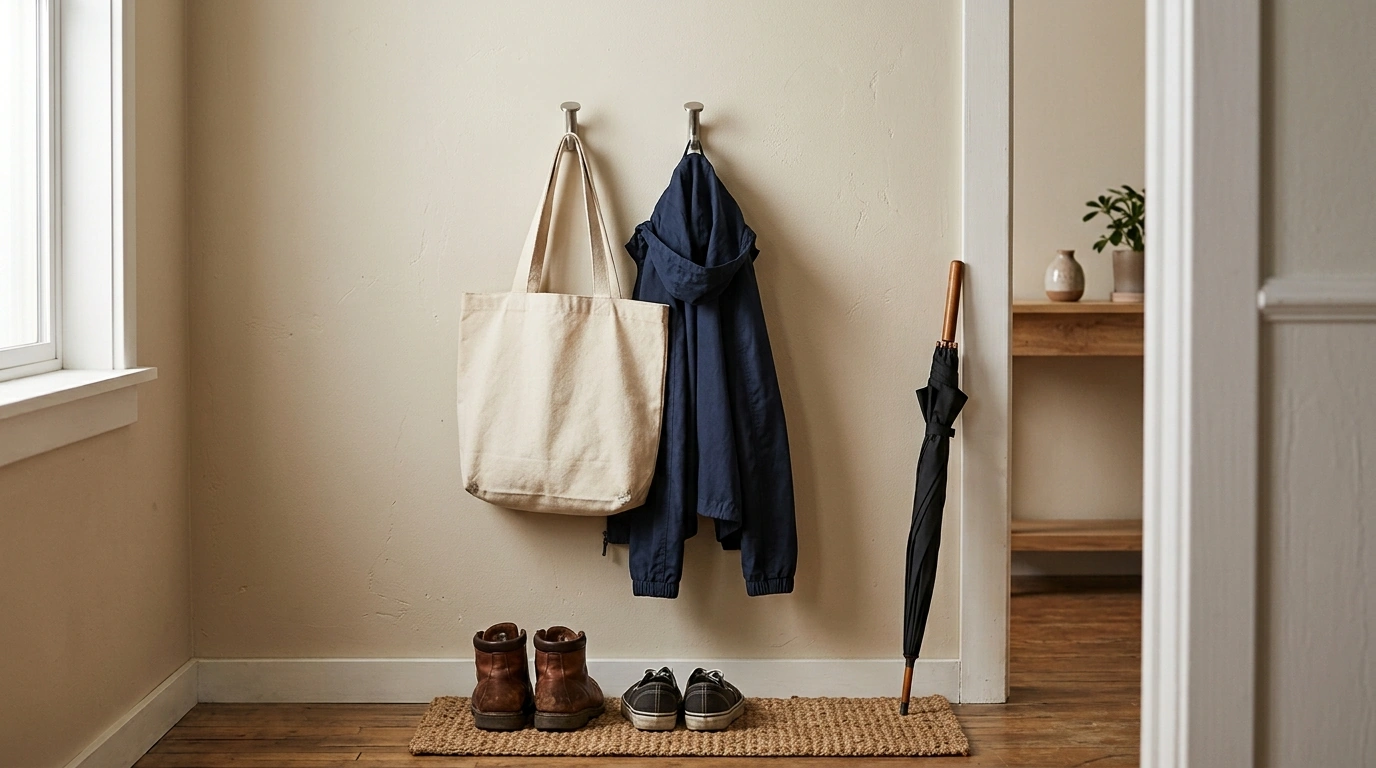
Metal Wall Hook: A Clean, Durable Way to Hang Everyday Essentials
A metal wall hook adds dependable hanging space while keeping floors and surfaces clear. With the right placement and mounting method, it can hold daily grab-and-go items and help organize entryways, bathrooms, bedrooms, and work areas. The biggest advantage is simple: when there’s an obvious “home” for the things used every day, they stop drifting onto chairs, countertops, and doorknobs.
What a metal wall hook is used for
A wall hook can be as minimal as a single point for one go-to item, or it can become a small organization system when grouped. Because metal resists flexing under repeated use, it’s especially handy for items that get hung up and pulled down multiple times a day.
- Creates a dedicated spot for coats, bags, hats, umbrellas, keys, towels, robes, and light gear
- Helps reduce clutter by moving frequently used items onto the wall
- Works as a single hook or as part of a grouped wall arrangement for shared spaces
- Fits small areas where racks or cabinets are impractical
Where it works best around the home
The “best” location is usually wherever an item naturally lands today. Install the hook where the habit already exists, then refine height and spacing for comfort and safety.
- Entryway: place at shoulder height for coats and bags; add lower hooks for kids’ items
- Bathroom: position away from direct shower spray; allow airflow around towels and robes
- Bedroom/closet: use on the back of doors or on a clear wall for tomorrow’s outfit planning
- Laundry or utility room: hang lint rollers, small tools, reusable bags, or cleaning items
- Home office: manage headphones, cables, tote bags, and lightweight accessories
For shared spaces, a small row of hooks works better than one “catch-all” point. When each person has a dedicated spot, bags and outerwear are less likely to pile up.
Material and finish considerations
Metal hooks are popular because they can handle routine stress—especially the sideways tug from bag straps or the quick pull of a robe. Still, not all metal hooks are identical; the finish plays a big role in how the hook looks over time.
- Metal strength: supports repeated daily use and resists bending better than many plastics
- Humidity readiness: in bathrooms or laundry rooms, corrosion-resistant coatings help the hook stay clean-looking longer
- Fabric-friendly shaping: smooth edges help protect fabric straps and delicate garments from snags
- Visual impact: darker finishes can blend into accent walls; lighter finishes stand out and can act as a small design detail
If the hook will hold nicer garments (or bags with leather straps), prioritize a rounded tip or a wide contact surface to reduce creasing and strap wear.
Mounting options and the right fasteners
Most hook issues aren’t about the hook itself—they’re about the mounting. Match the fastener to the wall type and the expected load, then leave enough elbow room so bulky items don’t fight for space.
- Stud mounting: mounting into a stud offers the highest strength and is recommended for heavier loads (coats, backpacks)
- Drywall anchors: for drywall without a stud, use appropriate anchors rated for the expected load; avoid relying on basic plastic plugs for heavy items
- Tile walls: use a tile-rated drill bit and slow drilling to prevent cracks; consider professional help if unsure
- Masonry walls: for brick/concrete, use masonry bits and anchors designed for solid material
- Spacing: plan spacing so items don’t overlap; allow extra room for bulky winter coats and bags
For general fastening and installation guidance, consult reputable resources like USG’s drywall overview and Simpson Strong-Tie installation guidance. For broader home safety considerations (especially in high-traffic areas), the U.S. Consumer Product Safety Commission (CPSC) is a helpful reference.
Simple installation checklist
Installing a hook is usually quick, but careful prep prevents crooked alignment and unexpected wall damage. This sequence keeps things straightforward.
- Mark the location with painter’s tape; measure for consistent height if installing multiple hooks
- Check for studs and obstacles (wires/pipes) before drilling
- Pre-drill the correct pilot hole size for the chosen anchor or screw
- Level as needed; tighten hardware until snug without crushing drywall
- Test with a light load first, then gradually increase to the intended use
In busy areas like an entryway, a slightly higher placement can prevent swinging bags from bumping walls or furniture—while still staying comfortable to reach.
Care, cleaning, and long-term durability
Quick details for the Metal Wall Hook
| Feature | Details |
|---|---|
| Product | Metal Wall Hook |
| Price | 45.49 USD |
| Availability | In stock |
| Inventory listed | 20197 |
| Product page | https://ritatrend.shop/metal-wall-hook/ |
Easy ways to pair hooks with everyday items
- Vans Women’s Pink Hooded Jacket (ideal for a dedicated daily grab point)
- Women’s Beige Faux Fur Jacket (hang on a smooth-edged hook to protect delicate fabrics)
- Levi’s Women’s Blue Plain Jeans (use a hook near a hamper or closet for outfit staging)
FAQ
How much weight can a metal wall hook hold?
Weight capacity depends on the mounting method (stud vs. drywall anchor), the wall material, and the rating of the screws or anchors used. For heavier loads like backpacks or multiple winter coats, mounting directly into a stud is the most reliable approach.
Can a metal wall hook be installed on drywall without a stud?
Yes, but it should be installed with a drywall anchor that’s rated for the intended load. Toggle-style anchors typically handle higher loads than basic expansion plugs, and the hook should stay within the anchor’s labeled weight limit.
How can rust be prevented in a bathroom or laundry room?
Choose a corrosion-resistant finish, keep the hook out of constant direct water exposure, and ensure towels or robes can dry with good airflow. After cleaning, dry the hook fully to help protect the finish over time.
Recommended for you
Was this article helpful?
Yes
No






Leave a comment