-
Shop
- Adidas
- Advanced Technologies
- Apple Accessories
- Armani Fashion
- Arts, Crafts & Hobbies
- Beauty & Skincare
- Best-Sellers
- Calvin Klein Fashion
- Car Accessories
- Dating & Social Skills
- Drones
- Education & Learning
- Electronics
- Emotional Intelligence
- Family & Parenting
- Fashion
- Alexander McQueen Fashion
- Bags
- Bags & Wallets
- Balenciaga Fashion
- Belts
- Blazers
- Blouses & Shirts
- Bottega Veneta Fashion
- Bottoms
- Brunello Cucinelli Fashion
- Burberry Fashion
- Chanel Fashion
- Chloé Fashion
- Dior Fashion
- Dolce & Gabbana Fashion
- Dresses
- Etro Fashion
- Fendi Fashion
- Gucci Fashion
- Hats & Hair Accessories
- Hoodies & Sweatshirts
- Jacquemus Fashion
- Jewelry
- Jil Sander Fashion
- Jimmy Choo Fashion
- Kiton Fashion
- Luggage
- Luggage Bags
- Men's Fashion
- Miu Miu Fashion
- Off-White Fashion
- Outerwear
- Prada Fashion
- Rick Owens Fashion
- Saint Laurent Fashion
- Scarves
- Shoes
- Skirts
- Socks & Tights
- Sunglasses
- Sweaters & Cardigans
- The Row Fashion
- Tom Ford Fashion
- Tops & Shirts
- Trousers
- Valentino fashion
- Valentino Garavani Fashion
- Versace Fashion
- Vivienne Westwood fashion
- Watches
- Fashion Accessories
- Finance & Career
- Fitness & Movement
- Gadgets
- Gift Ideas
- Gifts
- Guess Fashion
- Health & Beauty
- Health & Wellness
- Home & Garden
- Home & Lifestyle
- Home Supplies
- Hormone & Women’s Health
- Kids & Babies
- Massagers
- Mindset
- Mindset & Personal Growth
- Nike Fashion
- Nutrition & Healthy Eating
- Patio, Lawn & Garden
- Personal Growth
- Pet Care
- Pet Supplies
- Pets
- Productivity
- Relationships & Social Confidence
- Samsung Accessories
- Self-Care & Mental Well-Being
- Sleep & Rest
- Sport
- Sport & Outdoors
- Style & Fashion
- Summer 2025 Fashion Collection
- Super Deals
- Tesla Accessories
- Tommy Hilfiger Fashion
- Travel
- Travel & Outdoors
- Video Games
- Wealth
BPA-Free Soft Silicone Teethers: Safety & Easy Cleaning
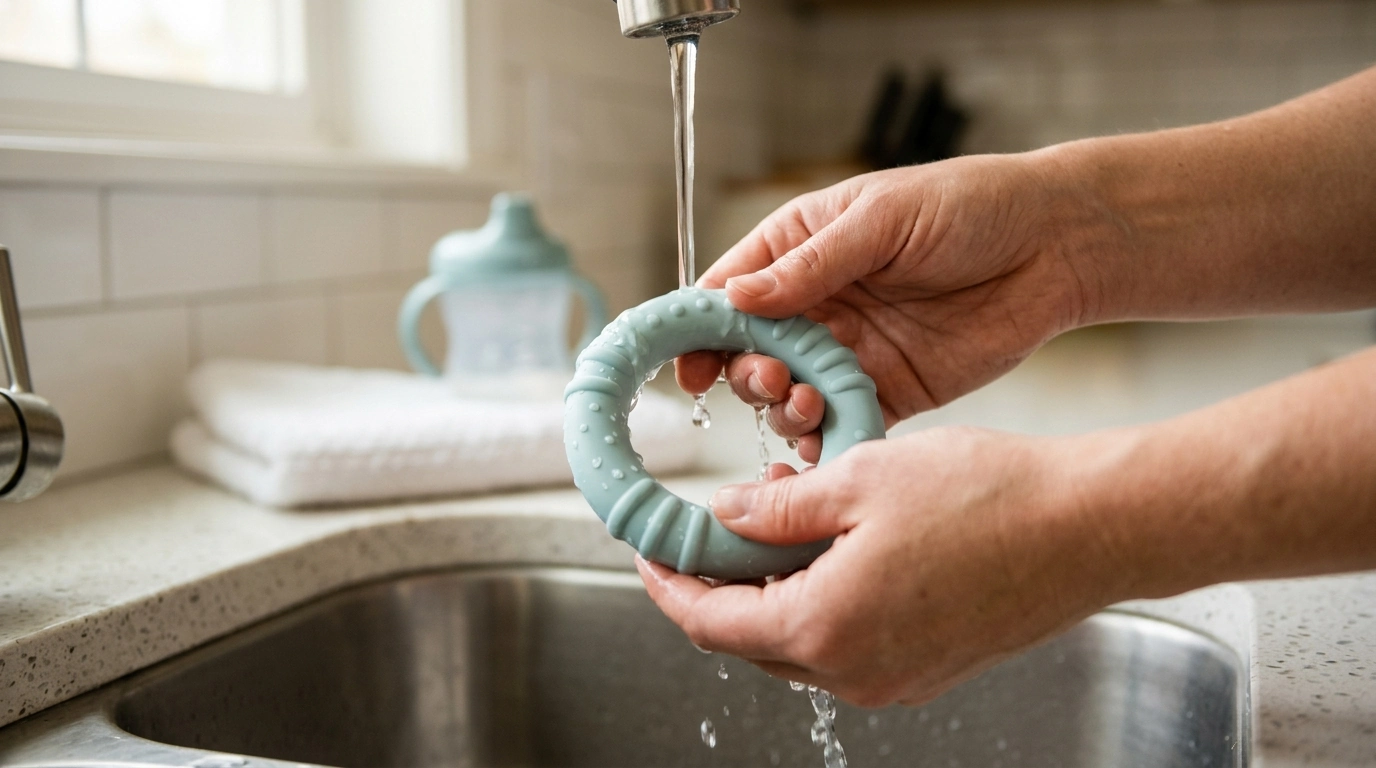
Soft Silicone Teether Toys for Toddlers (BPA Free): Comfort, Safety, and Easy Care
Teething can bring sore gums, extra drool, and fussy moments. Soft silicone teether toys offer a gentle surface to chew, an easy-to-grip shape for small hands, and simple cleaning routines—especially when made without BPA. The tips below focus on practical safety checks, comfort features, and everyday use habits that fit real toddler life. For more guidance, see Examination of paraben release from baby teethers through … – PMC.
Why soft silicone teethers work well for toddlers
Toddlers often want steady pressure on their gums, but they also need something safe and manageable for their growing coordination. Soft silicone teethers are popular because they balance comfort with durability and day-to-day convenience. For further reading, see Non Toxic Baby & Toddler Products Guide (2026) – Plastic Detox.
- Gentle on tender gums: Softer silicone can reduce harsh pressure while still providing relief during chewing.
- Easy to hold and mouth: Lightweight shapes can be easier for toddlers who are still refining grip and hand-to-mouth control.
- Sensory support: Textures like ridges or bumps can keep chewing focused on the teether rather than fingers, sleeves, or toys not meant for the mouth.
- Less mess and easier cleanup: Silicone typically rinses clean and dries quickly, which helps during frequent use throughout the day.
Safety checklist for BPA-free silicone teether toys
Comfort matters, but safety comes first. A good teether should be made for chewing, sized appropriately, and checked routinely—especially as toddlers get stronger and more determined.
- Material clarity: Look for BPA-free claims and silicone intended for baby/toddler use. Avoid items with a strong chemical odor.
- One-piece or secure construction: Skip designs with detachable small parts that could loosen and become a choking hazard.
- Age-appropriate size: Choose a teether large enough that it cannot fit entirely into a child’s mouth.
- Surface integrity: Discard if there are tears, deep bite marks, cracking, or sticky residue.
- Supervision: Teethers are for supervised soothing; avoid use during sleep or any time a child is unsupervised.
Quick safety checks before each use
| Check | What to look for | What to do if it fails |
|---|---|---|
| Tears or cracks | Splits, jagged edges, deep bite dents | Stop using and replace |
| Loose parts | Anything that twists off, rattles, or separates | Stop using immediately |
| Cleanliness | Sticky film, trapped debris in grooves | Wash thoroughly; replace if residue remains |
| Size and shape | Too small, narrow pieces that could go too far into the mouth | Switch to a larger, safer design |
Comfort features to look for (texture, shape, and grip)
Two teethers can both be “silicone” but feel very different in a toddler’s mouth. The best option is one your child can hold confidently and chew comfortably without causing gum irritation.
- Textured zones: Bumps and ridges can massage gums and provide variety as different teeth erupt.
- Easy-grip handles or loops: A stable grip supports self-soothing without constant adult repositioning.
- Flexible but not flimsy: A slight give helps comfort, while enough firmness provides satisfying pressure.
- Smooth edges: Rounded corners help prevent irritation during vigorous chewing.
- Calming designs: Simple shapes can be easier to maneuver than complex toys with many protrusions.
Cleaning and care that fits real life
Teethers get dropped, pocketed, and “shared” with the floor—so a realistic care routine is essential. Even when silicone is easy to clean, consistency matters to prevent odor or buildup.
- Daily wash routine: Use warm water and mild soap after use; rinse thoroughly to remove any soap film.
- Deep cleaning: Follow the manufacturer’s instructions. Some silicone teethers can be boiled briefly or placed on the top rack of a dishwasher, but confirm first.
- Dry completely: Water trapped in grooves can lead to odors over time—air-dry in a clean, ventilated spot.
- Storage: Keep in a clean, dry container; avoid sealing in bags or containers while damp.
- Replacement timing: Replace at the first signs of damage, persistent odor, or texture changes.
For general hygiene guidance that applies to everyday items your family handles often, see the CDC’s basics on cleaning and sanitizing: Cleaning and sanitizing basics.
Safe soothing tips during teething
A teether can be part of a broader comfort routine. Small adjustments—temperature, timing, and supervision—can make soothing more effective while keeping safety in focus.
- Chilled (not frozen) option: Cooling can calm gums; avoid freezing if it makes silicone overly stiff or uncomfortable to bite.
- Rotate textures: Switching between textured areas can help hold attention and reduce frustration.
- Pair with other comfort steps: Gentle gum massage with a clean finger, extra fluids, and distraction with play can help.
- Watch for non-teething causes: If symptoms seem unusual (such as fever, rash, or ongoing distress), check in with a pediatrician.
For pediatric guidance on typical teething patterns and comfort tips, visit American Academy of Pediatrics: Teething. For background on BPA and consumer products, the FDA overview is a helpful reference: U.S. FDA: BPA.
Featured picks (in stock)
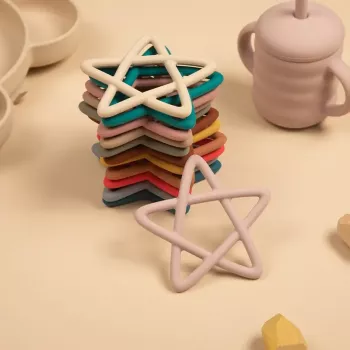
Featured teether: Soft Silicone Teether Toys for Toddlers – BPA Free
For caregivers on the go: Vans Women’s Pink Hooded Jacket
FAQ
How often should a silicone teether be cleaned?
Wash it at least daily and anytime it’s dropped or visibly soiled, using mild soap and warm water. Deep clean only as the manufacturer allows, and let it dry completely before storing.
Can toddlers use a teether while sleeping?
No—use teethers only with close supervision. Avoid leaving a teether in a crib or during unsupervised sleep to reduce safety risks.
When should a silicone teether be replaced?
Replace it immediately if you notice tears, cracks, deep bite marks, or sticky residue that won’t wash off. Also replace if the texture changes or a persistent odor remains even after thorough cleaning.
Recommended for you
Was this article helpful?
Yes
No






Leave a comment