-
Shop
- Adidas
- Advanced Technologies
- Apple Accessories
- Armani Fashion
- Arts, Crafts & Hobbies
- Beauty & Skincare
- Best-Sellers
- Calvin Klein Fashion
- Car Accessories
- Dating & Social Skills
- Drones
- Education & Learning
- Electronics
- Emotional Intelligence
- Family & Parenting
- Fashion
- Alexander McQueen Fashion
- Bags
- Bags & Wallets
- Balenciaga Fashion
- Belts
- Blazers
- Blouses & Shirts
- Bottega Veneta Fashion
- Bottoms
- Brunello Cucinelli Fashion
- Burberry Fashion
- Chanel Fashion
- Chloé Fashion
- Dior Fashion
- Dolce & Gabbana Fashion
- Dresses
- Etro Fashion
- Fendi Fashion
- Gucci Fashion
- Hats & Hair Accessories
- Hoodies & Sweatshirts
- Jacquemus Fashion
- Jewelry
- Jil Sander Fashion
- Jimmy Choo Fashion
- Kiton Fashion
- Luggage
- Luggage Bags
- Men's Fashion
- Miu Miu Fashion
- Off-White Fashion
- Outerwear
- Prada Fashion
- Rick Owens Fashion
- Saint Laurent Fashion
- Scarves
- Shoes
- Skirts
- Socks & Tights
- Sunglasses
- Sweaters & Cardigans
- The Row Fashion
- Tom Ford Fashion
- Tops & Shirts
- Trousers
- Valentino fashion
- Valentino Garavani Fashion
- Versace Fashion
- Vivienne Westwood fashion
- Watches
- Fashion Accessories
- Finance & Career
- Fitness & Movement
- Gadgets
- Gift Ideas
- Gifts
- Guess Fashion
- Health & Beauty
- Health & Wellness
- Home & Garden
- Home & Lifestyle
- Home Supplies
- Hormone & Women’s Health
- Kids & Babies
- Massagers
- Mindset
- Mindset & Personal Growth
- Nike Fashion
- Nutrition & Healthy Eating
- Patio, Lawn & Garden
- Personal Growth
- Pet Care
- Pet Supplies
- Pets
- Productivity
- Relationships & Social Confidence
- Samsung Accessories
- Self-Care & Mental Well-Being
- Sleep & Rest
- Sport
- Sport & Outdoors
- Style & Fashion
- Summer 2025 Fashion Collection
- Super Deals
- Tesla Accessories
- Tommy Hilfiger Fashion
- Travel
- Travel & Outdoors
- Video Games
- Wealth
Coral Velvet Towel: Safer Buffing & Streak-Free Glass
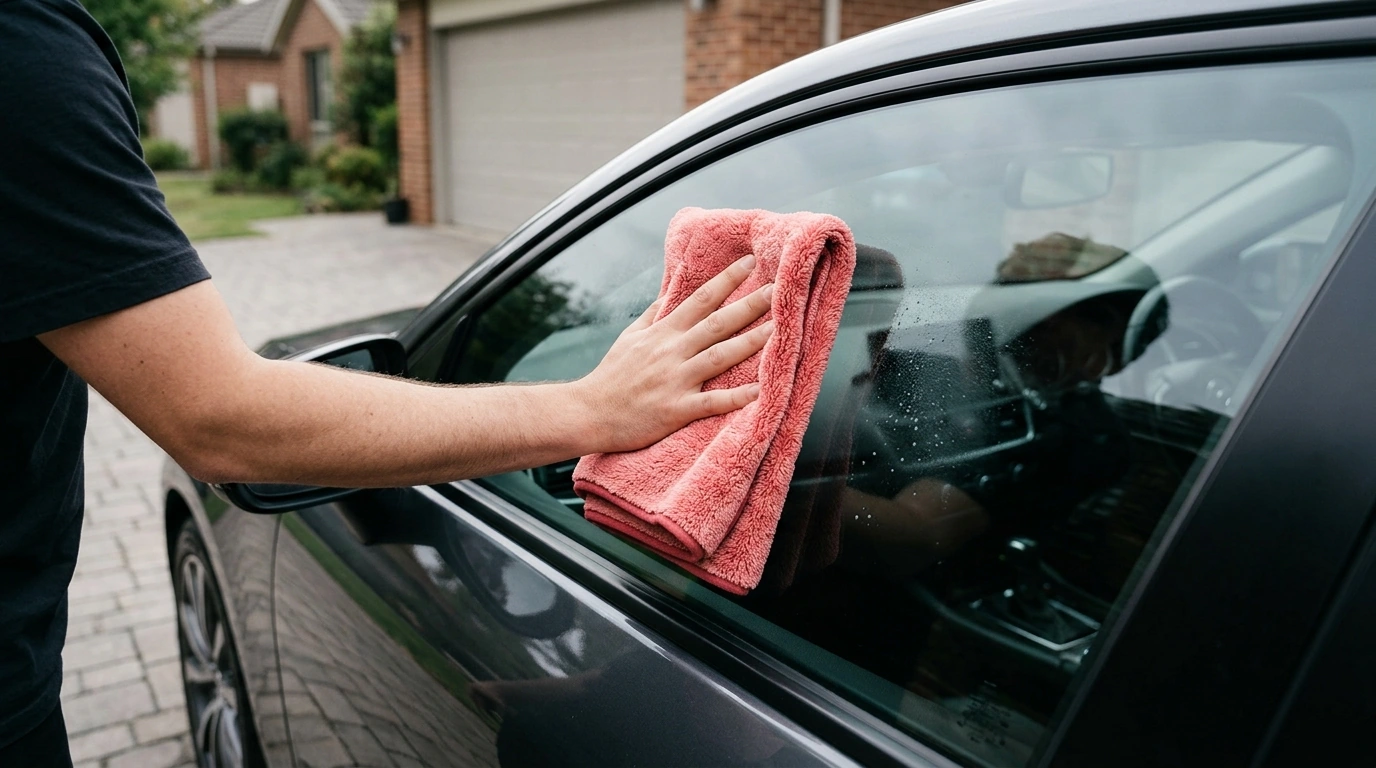
Double-Sided Coral Velvet Car Cleaning Towel
A soft, double-sided coral velvet towel helps make routine car care faster and safer for paint, glass, and interior surfaces. With the right technique, it can lift dust and residue while reducing the risk of streaks and micro-scratches during washing, drying, quick detailing, and interior wipe-downs. For more guidance, see Phthalate esters in clothing: A review – ScienceDirect.com.
What Makes a Double-Sided Coral Velvet Towel Different
Not all microfiber is built the same. A double-sided coral velvet towel is designed to be plush, glide smoothly, and give you more control over how you handle different levels of dirt in one session. For further reading, see Harry D. Triantafillu – The New York Community Trust.
- Two working faces, more flexibility: Use one side for “clean” tasks (glass, final buff) and reserve the other for “grubbier” areas like door jambs or lower panels.
- Coral-velvet microfiber feel: The plush surface is made to glide and help encapsulate particles rather than dragging them across paint.
- Thicker pile, less pressure: Better cushion and absorbency can reduce the need to press down, which helps lower the chance of marring delicate finishes.
- Multi-step friendly: One towel can support quick detail buffing, drying touch-ups, spray wax removal, and light interior dusting (when kept clean and separated by task).
Best Uses Around the Vehicle
This style of towel earns its keep because it can move from surface to surface—so long as you keep contamination in check and rotate to clean sections frequently.
- Paint and clear coat: Great for buffing after a waterless wash or quick detailer, and for safely removing very light dust when you use proper lubrication.
- Glass and mirrors: Ideal for a final wipe to remove haze after glass cleaner, especially when you switch to a dry, clean face for the last pass.
- Interior plastics and trim: A gentle option for dashboards, center consoles, and piano-black trim where aggressive wiping can show marks.
- Door jambs and sills: Grime builds up here fast—use your designated “dirtier” side for controlled cleaning.
- Drying assistance: After a primary drying towel, use this to chase remaining droplets around mirrors, emblems, and trim to help prevent water spots.
How to Use It Without Leaving Swirls
Even the best towel can leave marks if it’s used when dirty, overloaded, or with too much pressure. A few habits make a noticeable difference in how your paint and glass look after every wipe-down.
- Start clean and stay clean: If the towel hits the ground, treat it like it’s contaminated—swap it out immediately or wash it before touching paint again.
- Fold into quarters: This creates multiple fresh faces. As soon as one side looks loaded, flip or refold to a clean area.
- Light pressure, straight lines: Let the microfiber do the work. Straight-line motions reduce the visual impact of any accidental micro-marring compared with circular scrubbing.
- Use lubrication for anything beyond a light dusting: For dust, fingerprints, or light road film, pair the towel with a quick detailer or a rinseless wash solution to help particles glide away instead of scouring the surface.
- Separate towels by task: Keep one towel (or a set) strictly for paint and glass, and a different one for jambs, lower panels, or heavier interior soils.
Microfiber works by increasing surface contact and capturing debris within the fibers, which is why cleanliness and technique matter. For a deeper explanation of how microfiber functions, see the Centers for Disease Control and Prevention (CDC) overview of microfiber.
Care and Washing Tips for Long-Lasting Softness
Washing correctly is the difference between a towel that stays plush and effective versus one that starts streaking, linting, or feeling “grabby” on paint.
- Wash away from cotton: Cotton lint can cling to microfiber and reduce performance.
- Use mild liquid detergent: Skip fabric softener and bleach; softeners can coat fibers and reduce absorbency.
- Cool to warm water, rinse thoroughly: This helps remove residues from detailing sprays that can cause streaking later.
- Dry low or air dry: High heat can damage synthetic fibers and stiffen the towel over time.
- Store dust-free: Keep clean towels in a sealed bin or bag so they’re ready for paint-safe use.
Quick Specs and Buying Checklist
Task-to-Towel Setup Guide
| Task | Recommended Side Usage | Suggested Product Pairing | Notes |
|---|---|---|---|
| Glass final wipe | Clean side only | Streak-free glass cleaner | Use a dry final pass for clarity |
| Quick detail buff | Clean side only | Quick detailer or spray wax | Fold into quarters; rotate often |
| Interior dusting | Either side (dedicated towel) | Interior-safe cleaner (optional) | Avoid cross-using with exterior grime |
| Door jamb cleaning | Designated “dirty” side | All-purpose cleaner (diluted) | Rinse and wash towel promptly after |
Product Options In Stock
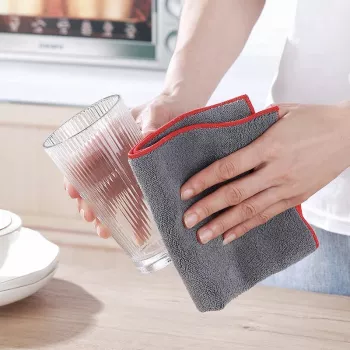
- Double-Sided Coral Velvet Car Cleaning Towel — A soft, double-sided towel suited for buffing, touch-ups, and interior wipe-downs when used with clean-towel practices.
- Vans Women’s Pink Hooded Jacket — A casual outerwear option for cool-weather errands.
- Levi’s Women’s Blue Plain Jeans — A versatile everyday denim option.
FAQ
Can the same towel be used on paint and wheels?
It’s best to separate towels by contamination risk. Wheels collect brake dust and gritty debris that can scratch paint; if a towel is used on wheels, dedicate it to that job permanently and don’t return it to paintwork.
How should a microfiber coral velvet towel be washed?
Wash it with a mild liquid detergent and avoid fabric softener or bleach. Wash with other microfiber items, rinse thoroughly, and air dry or tumble dry on low to help preserve softness and absorbency.
Why does microfiber sometimes leave streaks on glass?
Streaks often come from using too much product, residue from detergent/softeners, a towel that’s too damp, or wiping with a dirty face. Use a light, even application, then finish with a dry buff using a clean section of the towel.
Recommended for you


Was this article helpful?
Yes
No







Leave a comment