-
Shop
- Adidas
- Advanced Technologies
- Apple Accessories
- Armani Fashion
- Arts, Crafts & Hobbies
- Beauty & Skincare
- Best-Sellers
- Calvin Klein Fashion
- Car Accessories
- Dating & Social Skills
- Drones
- Education & Learning
- Electronics
- Emotional Intelligence
- Family & Parenting
- Fashion
- Alexander McQueen Fashion
- Bags
- Bags & Wallets
- Balenciaga Fashion
- Belts
- Blazers
- Blouses & Shirts
- Bottega Veneta Fashion
- Bottoms
- Brunello Cucinelli Fashion
- Burberry Fashion
- Chanel Fashion
- Chloé Fashion
- Dior Fashion
- Dolce & Gabbana Fashion
- Dresses
- Etro Fashion
- Fendi Fashion
- Gucci Fashion
- Hats & Hair Accessories
- Hoodies & Sweatshirts
- Jacquemus Fashion
- Jewelry
- Jil Sander Fashion
- Jimmy Choo Fashion
- Kiton Fashion
- Luggage
- Luggage Bags
- Men's Fashion
- Miu Miu Fashion
- Off-White Fashion
- Outerwear
- Prada Fashion
- Rick Owens Fashion
- Saint Laurent Fashion
- Scarves
- Shoes
- Skirts
- Socks & Tights
- Sunglasses
- Sweaters & Cardigans
- The Row Fashion
- Tom Ford Fashion
- Tops & Shirts
- Trousers
- Valentino fashion
- Valentino Garavani Fashion
- Versace Fashion
- Vivienne Westwood fashion
- Watches
- Fashion Accessories
- Finance & Career
- Fitness & Movement
- Gadgets
- Gift Ideas
- Gifts
- Guess Fashion
- Health & Beauty
- Health & Wellness
- Home & Garden
- Home & Lifestyle
- Home Supplies
- Hormone & Women’s Health
- Kids & Babies
- Massagers
- Mindset
- Mindset & Personal Growth
- Nike Fashion
- Nutrition & Healthy Eating
- Patio, Lawn & Garden
- Personal Growth
- Pet Care
- Pet Supplies
- Pets
- Productivity
- Relationships & Social Confidence
- Samsung Accessories
- Self-Care & Mental Well-Being
- Sleep & Rest
- Sport
- Sport & Outdoors
- Style & Fashion
- Summer 2025 Fashion Collection
- Super Deals
- Tesla Accessories
- Tommy Hilfiger Fashion
- Travel
- Travel & Outdoors
- Video Games
- Wealth
Pink Multi-Level Cat Tree with Hammock, Condo & Posts
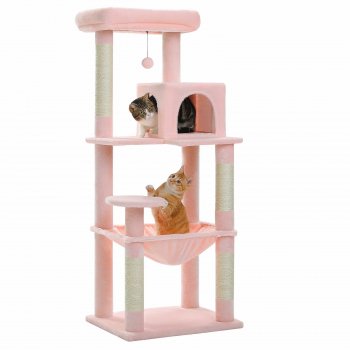
Pink Multi-Level Cat Tree Tower with Hammock, Condo, and Scratching Posts
A well-designed cat tower can turn one corner of a room into a climbing gym, nap zone, and scratching station. This pink multi-level cat tree combines a roomy hammock, a covered condo, and multiple scratch-friendly posts to encourage play, resting, and healthy nail care—while giving cats a comfortable vertical space of their own.
What This Cat Tree Adds to a Home
- Creates vertical territory that helps cats feel secure and reduces boredom.
- Supports natural behaviors: climbing, perching, scratching, and hiding.
- Offers separate zones so one cat can nap while another plays.
- Helps protect furniture by providing an appealing scratching alternative.
Many cats feel calmer when they can observe from above and choose when to engage. Guidance from feline welfare and veterinary behavior resources also emphasizes the value of environmental enrichment and vertical space for indoor cats, including multiple resting areas and safe outlets for scratching and play.
Helpful reading:
International Cat Care on environmental needs and vertical space,
ASPCA on scratching behavior,
AAFP feline behavior guidelines.
Key Features at a Glance
- Multi-level layout for climbing and perching across different heights.
- Large hammock for flexible, body-supporting lounging.
- Enclosed condo for quiet naps and stress-free hiding.
- Multiple scratching posts to encourage stretching and regular claw maintenance.
- Soft surfaces designed for comfort during longer rest periods.
- Pink colorway that blends easily with playful or pastel decor.
Quick Comparison: Zones and What Cats Use Them For
- Match each area to a cat’s routine to reduce conflict in multi-cat homes.
- Rotate toys around platforms to keep the structure engaging over time.
| Area | Best for | Tip |
|---|---|---|
| Top/upper platforms | Perching, observing, relaxing away from foot traffic | Place the tower near a window (not blocking blinds) for extra enrichment |
| Large hammock | Deep lounging, post-play recovery naps | Position so the hammock side has a bit of clearance from walls for easy access |
| Cozy condo | Hiding, quiet sleep, decompressing | Add a small familiar blanket if a cat is hesitant to enter at first |
| Scratching posts | Scratching, stretching shoulders and back, scent marking | Reward with treats when the posts are used—especially during the first week |
| Mid-level platforms | Step-ups for kittens/seniors and play transitions | Stagger access so cats can pass without feeling cornered |
Placement Tips for Everyday Use
- Choose a stable, low-traffic corner where the base sits fully flat.
- Keep it near areas cats already prefer—by a window, near a couch, or close to a sleeping spot.
- Avoid placing directly beside loud appliances or doors that slam.
- If there are multiple pets, place the tower where cats can see the room and exit easily.
- Leave enough clearance for jumping on/off the hammock and top platform.
A simple way to boost use is to treat the tower like a “destination.” A perch with a view (window, hallway, or living room) encourages natural supervision behavior, while a tucked-away condo gives a cat a choice when they want less interaction.
Scratching Habits: Encouraging the Posts Over Furniture
- Introduce the tower by placing it near the current favorite scratching area for a few days.
- Use catnip or silver vine on the posts (if the cat responds to it).
- Praise and reward right after the post is used; redirect calmly from furniture.
- Keep nails maintained; overly sharp claws can make any scratch target more enticing.
- Replace or refresh scratching areas when they become too smooth to grip.
Scratching is a normal, healthy behavior—cats do it to stretch, maintain claws, and leave visual and scent marks. When the tower’s posts are placed where scratching already happens (or near a high-value spot like the couch corner), the “right” option becomes the easiest option.
Care, Cleaning, and Long-Term Comfort
- Vacuum platforms and condo regularly to reduce loose fur and dander buildup.
- Spot-clean stains promptly with a pet-safe cleaner and allow full drying before use.
- Check bolts/screws periodically to keep the structure rigid and wobble-free.
- Inspect scratching posts for heavy wear; rotating the tower can distribute use.
- If a cat is older or hesitant, add a small step or ottoman nearby for easier access.
Consistency matters more than perfection. A quick weekly vacuum plus a monthly stability check helps the tower stay inviting and solid under enthusiastic jumps and sprints.
Who It’s Best For
- Indoor cats needing daily climbing and perching enrichment.
- Cats that enjoy hammock-style lounging and covered hiding spaces.
- Households looking to consolidate sleep/play/scratch zones into one footprint.
- Multi-cat homes that benefit from separate resting areas at different heights.
Shop In-Stock Picks
- Multi-Level Cat Tree Tower with Large Hammock, Cozy Condo & Scratching Posts – Pink
- Vans Women’s Pink Hooded Jacket
- Levi’s Women’s Blue Plain Jeans
FAQ
How long does it take a cat to start using a new cat tree?
Many cats explore within a day or two, but some need a week or more. Place it near a favored hangout, add a few treats or a pinch of catnip, and let your cat investigate at their own pace.
Where is the best place to put a cat tree with a hammock and condo?
A stable corner near a window or family space is ideal, as long as it’s away from loud appliances and slamming doors. Make sure the base is fully supported on a flat surface and leave clearance for jumping on and off the hammock.
How do scratching posts on a cat tower help reduce furniture scratching?
They give your cat an appropriate texture and location to scratch, stretch, and mark. Position the tower near the current scratching hotspot at first, reward post use, and calmly redirect from furniture to build the habit.
Recommended for you
Was this article helpful?
Yes
No







Leave a comment